

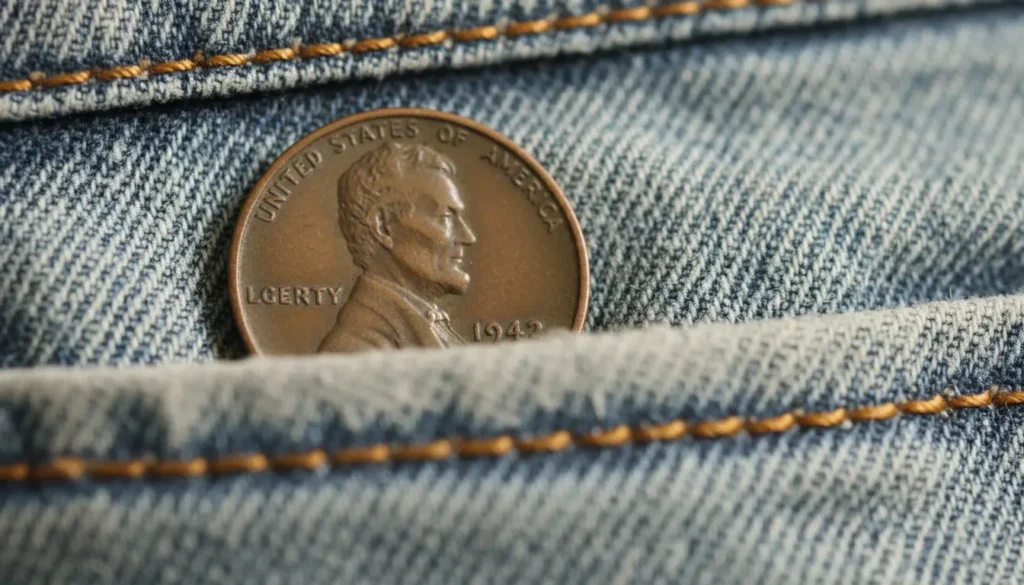
Why people talk about a 5 million Lincoln Wheat Penny
Headlines about a “5 million” Lincoln Wheat penny can spark hope, but coin values depend on rarity, condition, and market demand. A wheat penny selling for millions would be an extreme outlier tied to an extraordinary error or one-of-a-kind provenance.
Understanding how experts value wheat cents helps you separate realistic possibilities from hype. Follow practical checks before assuming your penny is a windfall.
What makes a Lincoln Wheat Penny valuable
Several factors determine whether a Lincoln Wheat penny (minted 1909–1958) is collectible and expensive. Rarity and condition rank highest, followed by documented provenance and market interest.
- Key dates and mint marks (for example, early 1909s and scarce mint marks).
- Major minting errors (wrong planchets, double dies, struck-through objects).
- Exceptional condition (uncirculated or with original mint luster).
- Clear, certified grading from a major service (PCGS, NGC).
Common valuable varieties to watch for
Not every old wheat penny will be worth a fortune, but certain varieties are consistently sought after by collectors.
- 1909-S VDB and 1909-S (famous low-mintage issues).
- 1914-D in high grade (rare from Denver).
- 1955 doubled die obverse (distinct, visible doubling).
- 1943 bronze planchet errors (most 1943 cents are steel; bronze examples are extremely rare).
How to check a Lincoln Wheat Penny in your pocket
Use these practical steps to evaluate a penny without damaging it. If you suspect major value, stop and consult a professional.
- Inspect the date and mint mark with a magnifier. Dates and mint marks are the first clues to rarity.
- Look for obvious errors: doubled lettering, off-center strikes, or different metal color.
- Handle by the edges and avoid cleaning the coin. Cleaning can destroy value by removing original surfaces.
- Compare to reference photos from reputable numismatic sites or catalogs.
Quick physical clues
- Color: most wheat cents are a coppery bronze. A silver-gray coin from 1943 is likely steel, while a bronze-looking 1943 could be a rare error.
- Weight and sound: experienced collectors note that steel coins feel lighter and sound different when gently tapped, but do not perform invasive tests.
- Wear: coins with crisp detail and original luster are worth more than heavily worn examples.
When to get professional grading and authentication
If a penny checks multiple high-value boxes (key date, clear error, and high-grade appearance) consider getting it authenticated. Grading provides market confidence and usually substantially increases saleability.
Contact a major grading service or a well-regarded local dealer before sending a coin. Use reputable auction houses for high-value sales to reach serious collectors.
Steps to authentication
- Document the coin with clear photographs of obverse and reverse.
- Consult an experienced numismatist or dealer for an initial opinion.
- Submit to a grading service (PCGS, NGC) if advised — only after confirming costs and procedures.
The Lincoln Wheat penny series ran from 1909 to 1958. A few extremely rare wheat cents — especially minting errors like 1943 bronze planchets — have sold for seven-figure sums at auction. While headline prices grab attention, most wheat cents are worth only modest amounts to collectors.
Real-world case study: finding a rare planchet error
A collector reported finding a 1943-looking wheat penny in his change that had a bronze tone instead of the usual steel gray. He stopped using it, took photographs, and consulted a local dealer.
The dealer confirmed the appearance suggested a bronze planchet error. After professional authentication and grading, the coin sold at auction for a seven-figure amount. The outcome relied on careful handling, proper documentation, and trusted certification.
Practical tips before you sell or value a find
Follow these do’s and don’ts to protect value and avoid scams.
- Do not clean the coin or try to alter it in any way.
- Do handle only by the edges and store in a soft holder or coin flip.
- Do get multiple opinions if you think you have something special.
- Don’t accept first offers from unknown buyers. Compare auction results and dealer quotes.
Where to research and sell a valuable Lincoln Wheat Penny
Use trusted resources to set expectations and reach serious buyers. Auctions that specialize in coins deliver the best exposure for rare pieces.
- Major grading services: PCGS, NGC (for grading and population reports).
- Reputable auction houses that publish realized prices.
- Reference catalogs and price guides for historical values and key dates.
Final practical advice
A wheat penny jingling in your pocket could be worth much more than face value, but a $5 million payout is rare and usually tied to exceptionally unusual circumstances. Check the date and mint mark, avoid cleaning, document the coin, and consult professionals if you spot major errors or pristine condition.
With careful steps you can determine whether your find is a curiosity or a genuine numismatic treasure.