

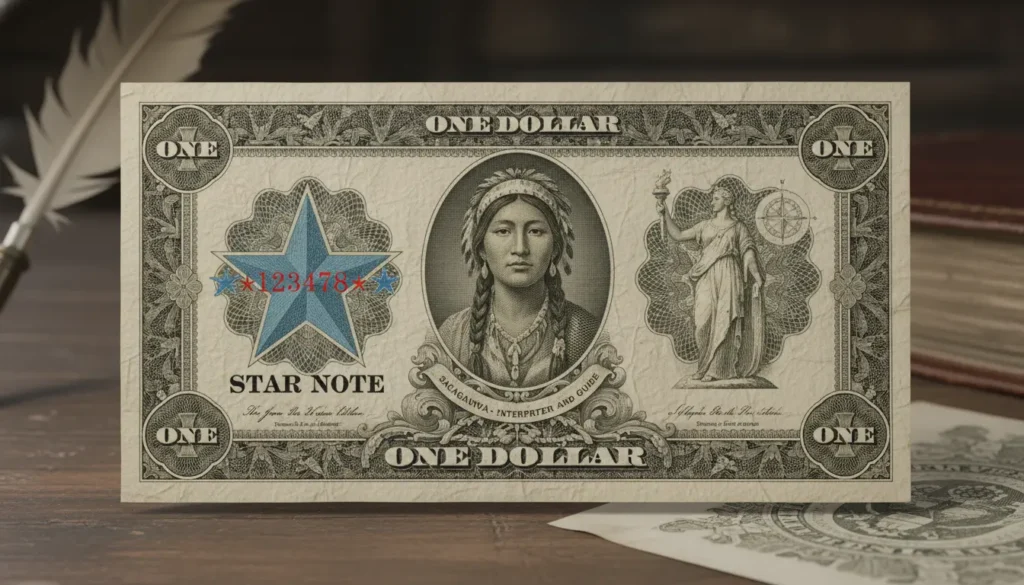
Collectors and casual finders often ask whether a rare Sacagawea dollar or a One Dollar star note is harder to spot. Each item has different visual cues, sources of rarity, and market behavior. This article compares both and gives practical steps to find and verify rare pieces.
Sacagawea Dollar vs One Dollar Star Note: Quick comparison
The Sacagawea dollar is a U.S. coin first issued in 2000. Most business-strike Sacagawea dollars are common in circulated condition. Their rarities usually come from limited proof strikes, mint errors, or specific year/mint combinations.
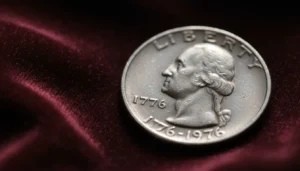
Star notes are replacement Federal Reserve notes with a small star at the end of the serial number. They were printed to replace faulty notes during a production run. Star notes are easy to recognize, and their rarity depends on year, series, and printing location.
Primary differences
- Visibility: Star notes have an obvious star marker; Sacagawea rarities often require close inspection.
- Sources: Coin minting errors, proofs, and low-mintage strikes affect Sacagawea value; printing runs and low distribution influence star note scarcity.
- Market: Both can fetch premiums, but values vary widely by condition and exact variety.
How to spot a One Dollar Star Note
Spotting a star note is straightforward. Look at the front of the bill where the serial number appears. A small star replaces the last digit’s suffix on replacement notes.
Key steps to inspect star notes:
- Check the serial number for a star at the end.
- Note the series year and Federal Reserve bank identifier.
- Assess condition: crisp uncirculated notes are worth more.
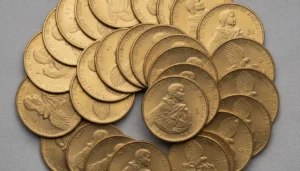
Star notes are easy to spot visually. Most beginners can identify them without tools, making discovery in rolls, cash drawers, or bank-wrapped bundles common.
How to spot rare Sacagawea Dollar varieties
Finding a rare Sacagawea dollar usually requires more knowledge and closer inspection. Rare examples can include mint errors, proof coins, modified dies, or limited mintages.
Steps for identifying rarities:
- Examine the edge for unusual lettering or missing edge lettering on later issues.
- Inspect the obverse and reverse for doubled dies, die breaks, or off-center strikes.
- Compare suspected errors against reference guides and trusted auction records.
- Use a magnifier and proper lighting; take photos for online comparison.
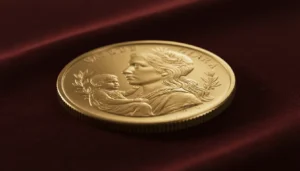
Coins often require grading to confirm condition and authenticity, which can be time-consuming and costly. Subtle die varieties can be missed by casual observers.
Star notes were introduced in the 1910s in some form as a replacement identifier. Modern star notes make it easy to spot replacements because of the small star printed at the end of the serial number.
Which rare find is harder to spot?
In practical terms, rare Sacagawea dollar varieties are usually harder to spot than One Dollar star notes. The star is a visible, intentional mark on paper currency. Sacagawea rarities often require knowledge of specific errors or varieties.
Reasons Sacagawea rarities are harder to find:
- Many errors are subtle and require magnification or comparison to identify.
- Some valuable varieties are authenticated only after third-party grading.
- Coin appearance changes with wear; circulated coins hide details.
Star notes are straightforward to detect in everyday handling. Once found, research the series and condition to estimate collectibility.
Practical tips for collectors and casual finders
Use a mix of simple habits and reference tools to improve your chances of spotting rare items.
- Always check the serial numbers on dollar bills when handling cash. A pocket-sized checklist helps.
- Carry a loupe (10x) to inspect coins for die breaks, doubled dies, or edge features.
- Keep notes and coins flat and clean — avoid cleaning coins, which can damage value.
- Photograph suspected finds and compare with reputable online databases and recent auction results.
- If you suspect a high-value error, consider third-party grading before selling.
Where to search
- Bank coin rolls and teller drawers for star notes and Sacagawea dollars.
- Local garage sales and estate sales where cash or coin jars might be present.
- Online marketplaces and auctions for research and comparison.
Small case study: Two real-world finds
Case study: A community collector found a Sacagawea dollar in a jar of change at a flea market. At first glance it looked ordinary, but under a loupe they noticed a faint die crack near the rim. After submitting photos to a coin forum, the piece was compared to known varieties and later sent for grading.
Another finder discovered a One Dollar star note in a bank bundle. The star at the end of the serial number was obvious. The note was in near-uncirculated condition and sold for a modest premium to a currency collector within a few weeks.
Outcome: The star note was easy to identify and quick to monetize. The Sacagawea required expert comparison and grading but had the potential for a larger payoff if the die crack matched a documented error.
Final recommendation
If your goal is immediate, easy-to-spot finds, focus on scanning bills for the star and checking condition. If you enjoy detective work and research, studying Sacagawea dollars can be more rewarding. Both hobbies are complementary: scanning cash for star notes requires little training, while coins reward patience and study.
Start with simple tools and build a reference library of images and auction results. Over time you will get better at spotting the subtle features that turn a common piece into a rare find.