

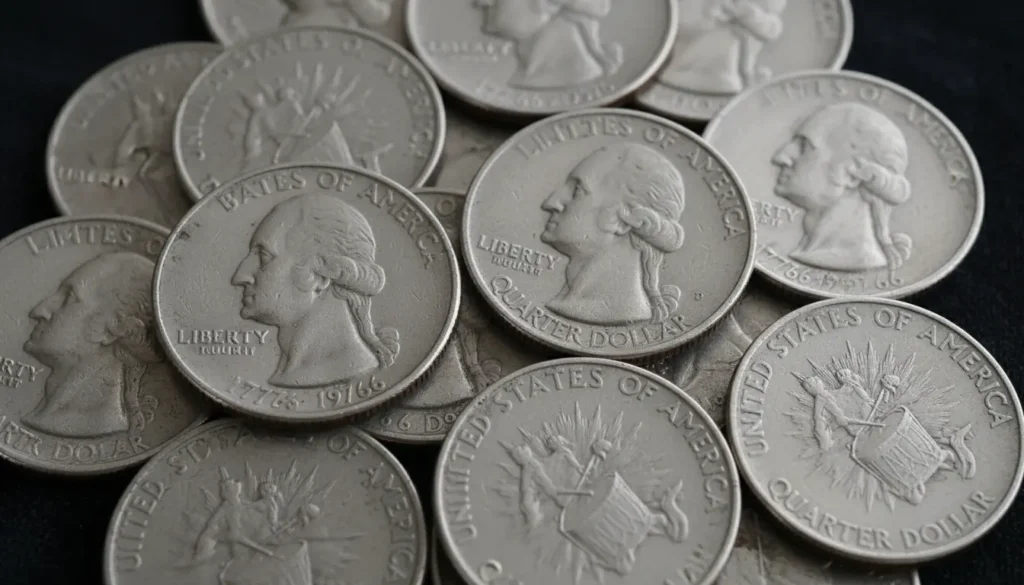
The 1976 Bicentennial quarter is familiar to many collectors, but a few rare examples attract intense interest. This guide explains what makes some Bicentennial quarters valuable, how to verify authenticity, and practical steps for selling or preserving them.
How Rare Bicentennial Quarters Become Valuable
Value depends on rarity, condition, and provenance. A common circulation quarter is worth face value, while exceptional errors and unique pieces can move into high-value territory.
Collectors and dealers place premiums on factors such as mint errors, proof silver strikes, and coins with excellent grades from trusted third-party grading services.
Key factors that drive high value in Bicentennial quarters
- Mint errors (struck off-center, double die, broadstrike)
- Unusual planchet or metal composition
- High professional grade (MS 65 and above for circulation, PR 68+ for proofs)
- Documented provenance or celebrity ownership
- Extremely low surviving population
Key Mint Errors and Varieties to Look For
Not all errors are valuable. Many attract only modest premiums, but a few types regularly draw serious bids at auction.
Common valuable categories include doubled die obverses or reverses, dramatic off-center strikes, and coins struck on the wrong planchet.
Examples of error types
- Doubled die: Lettering or design elements appear doubled due to die misalignment.
- Off-center strike: Part of the design is missing when the coin was struck off the planchet center.
- Wrong planchet: A coin struck on a planchet intended for a different denomination or metal.
- Die break/crack and die clash: Visible raised lines or ghost images caused by damaged dies.
How to Authenticate a Potentially Valuable Bicentennial Quarter
Authentication and grading are essential. Follow a clear process to avoid costly mistakes and to maximize value when selling.
Step-by-step authentication process
- Photograph the coin in strong, even light from multiple angles.
- Compare details to reference guides and images from reputable sources.
- Consult experienced dealers or local coin clubs for a preliminary opinion.
- Submit the coin to a respected third-party grading service (PCGS, NGC, ANACS) for grading and encapsulation.
- Request an attribution or error designation when applicable to make the listing clear to buyers.
Practical Tips for Sellers and Collectors
Whether you plan to sell or keep a rare Bicentennial quarter, follow these practical steps to protect value.
- Do not clean the coin. Cleaning destroys surface and reduces grade.
- Handle by the edges and store in inert holders to prevent deterioration.
- Obtain a professional grade before listing a coin publicly.
- Keep documentation and any provenance information with the coin.
Pricing Expectations and Market Reality
Expect a wide price range depending on the error type, grade, and market demand. Most Bicentennial quarters remain common and sell near face value or small premiums.
Truly exceptional examples with rare combinations of error, grade, and provenance may command much higher prices, sometimes significant premiums over standard values.
Case Study: How an Apparent Error Was Handled
A collector found a 1976 quarter with an unusual doubling near the date and suspected a doubled die. They photographed the coin and posted images to a reputable forum.
After receiving consensus that it might be important, they sent the coin to a grading service. The service confirmed the error and gave an attribution. With that documentation, the collector sold the coin through a specialist auction, achieving a sale price well above typical circulated examples.
Where to Buy or Sell Rare Bicentennial Quarters
Use reputable channels to buy or sell. Auctions, specialist dealers, and major coin shows attract serious collectors and better prices.
For sellers, provide full disclosure of grade, authentication, and any known history. For buyers, require certified images and return policies before purchase.
Trusted venues
- Major auction houses with numismatic specialists
- Reputable dealers and established coin shops
- Third-party grading services and registry auctions
Final Checklist Before Buying or Selling
- Verify the coin’s grade and any error attribution through a trusted grader.
- Document provenance and keep receipts and certification.
- Compare recent auction results for similar items.
- Consult multiple experts if the coin appears unusually valuable.
With careful verification and patient marketing, rare Bicentennial quarters that meet strict rarity and condition criteria can draw strong collector interest. Use the steps above to protect your investment and make informed decisions whether you are buying, selling, or holding.