

How to Use This Sacagawea Dollar Value Guide
This guide explains how collectors and casual holders can estimate the value of Sacagawea dollars. It covers common values, rarer varieties, grading basics, error coins, and next steps when you find a coin that looks special.
Quick Background on the Sacagawea Dollar
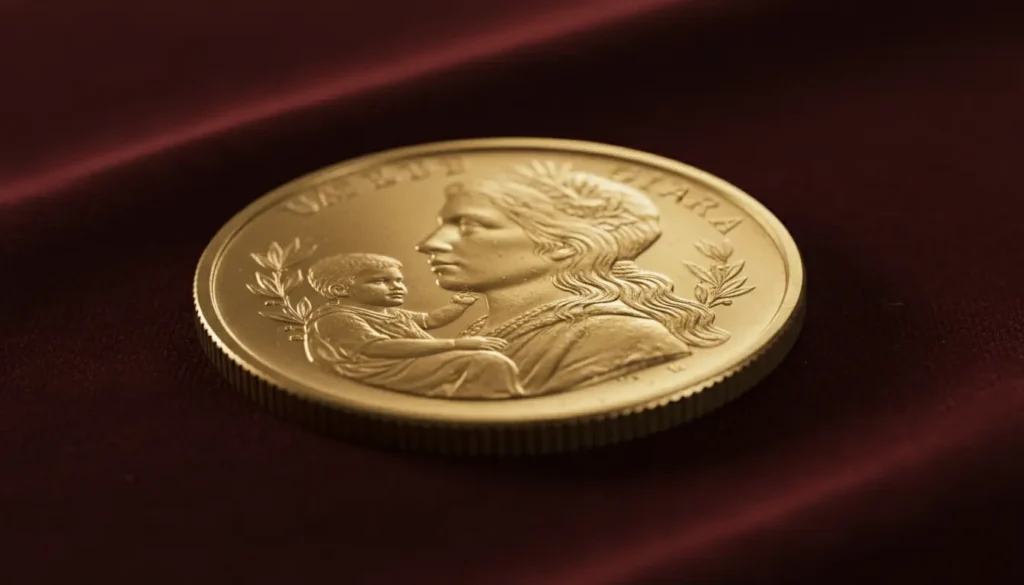
The Sacagawea dollar was introduced in 2000. Its obverse features a young Sacagawea carrying her infant, designed by Glenna Goodacre. The coin is a manganese-brass clad dollar with a distinctive golden color and a plain edge on most business strikes.
Factors That Determine Sacagawea Dollar Value
Several factors control how much a Sacagawea dollar is worth beyond its face value. These include mint year, mint mark, condition (grade), and whether the coin is a regular strike, proof, or an error.
- Condition / Grade: Higher mint-state grades command higher prices.
- Mint Mark and Year: Some years and mints had lower mintages or special issues.
- Variety and Errors: Doubled dies, off-center strikes, and other mistakes can raise value.
- Proof vs Business Strike: Proof coins are usually struck for collectors and often carry premiums.
Sacagawea Dollar Value Ranges
Use these practical ranges as a starting point. Exact values depend on market conditions and professional grading.
- Circulated common coins: Typically worth face value to a few dollars.
- Uncirculated grades (MS60–MS64): Often $1–$15 depending on grade and luster.
- Higher mint state (MS65–MS67): $20–$150 or more for very high grades.
- Proofs (PR): Proofs often carry a premium; values commonly range from $10–$200 based on grade and year.
- Error coins and rare varieties: Can range from tens to thousands of dollars depending on rarity and collector demand.
Why Grades Matter
Professional grading assigns a numeric grade that strongly affects price. A coin graded MS67 will usually be worth far more than the same coin graded MS64. If you suspect a high grade, consider third-party grading (PCGS, NGC).
Common Sacagawea Dollar Years and What to Expect
The initial 2000 business strikes had the largest mintages. Most 2000–2008 business-strike Sacagawea dollars are common in circulated condition. The 2009 issues with reverse designs honoring the American Eagle and Native American contributions were also produced in large numbers.
- 2000–2008 business strikes: Abundant; values low unless high grade.
- 2000 proof sets and special mint sets: Slight premiums for higher-grade examples.
- 2009 Native American reverses: Popular with collectors but not generally rare in typical grades.
Identifying Valuable Varieties and Errors
Look for unusual features if you want to spot pieces with upside potential. Common categories include double dies, off-center strikes, clipped planchets, and struck-through errors.
- Doubled die obverse or reverse: Look for doubled lettering or details.
- Off-center strikes: The more off-center, generally the more valuable.
- Planchet or composition errors: Incorrect metal or missing layers can be significant.
Glenna Goodacre designed the Sacagawea portrait. The coin’s golden color comes from a manganese-brass cladding, not from actual gold.
Real-World Example: Finding Value at a Yard Sale
A casual collector bought a roll of mixed change at a yard sale and found a Sacagawea dollar with an unusual off-center strike. They had the coin graded by a professional service. The certification boosted buyer confidence and helped the collector sell the coin to a specialist dealer rather than getting only face value for it.
This shows two practical steps: don’t clean coins, and get professional authentication for potentially valuable pieces.
Practical Steps to Evaluate a Sacagawea Dollar
Follow these simple checks to decide if a coin needs deeper inspection or grading.
- Examine the coin under good light for scratches, luster, and strike quality.
- Look for mint marks near the date or on the edge for certain issues.
- Search for obvious errors like off-center strikes or doubled devices.
- Compare to online price guides and auction results for the same year and grade.
- If it looks rare, seek a professional grading service or a reputable coin dealer.
Storage, Handling, and Avoiding Damage
Proper storage preserves value. Handle coins by the edges and avoid cleaning, which can significantly reduce value.
- Use soft gloves or hold by the rim.
- Store in inert holders: flips, capsules, or archival albums.
- Avoid PVC-containing plastic that can cause long-term damage.
When to Get a Coin Graded
Consider grading when a coin appears to be high grade, shows a significant error, or if you plan to sell to collectors who prefer certified pieces. Grading adds cost but can substantially increase sale price for noteworthy specimens.
Key Takeaways on Sacagawea Dollar Value
Most Sacagawea dollars are common and trade at or near face value unless in high mint-state condition or showing rare errors. Use grading, careful inspection, and reputable price guides to confirm value before selling or buying.
If you think you own a rare variety, document the coin with clear photos, avoid cleaning it, and consult a trusted dealer or third-party grader for a professional opinion.