

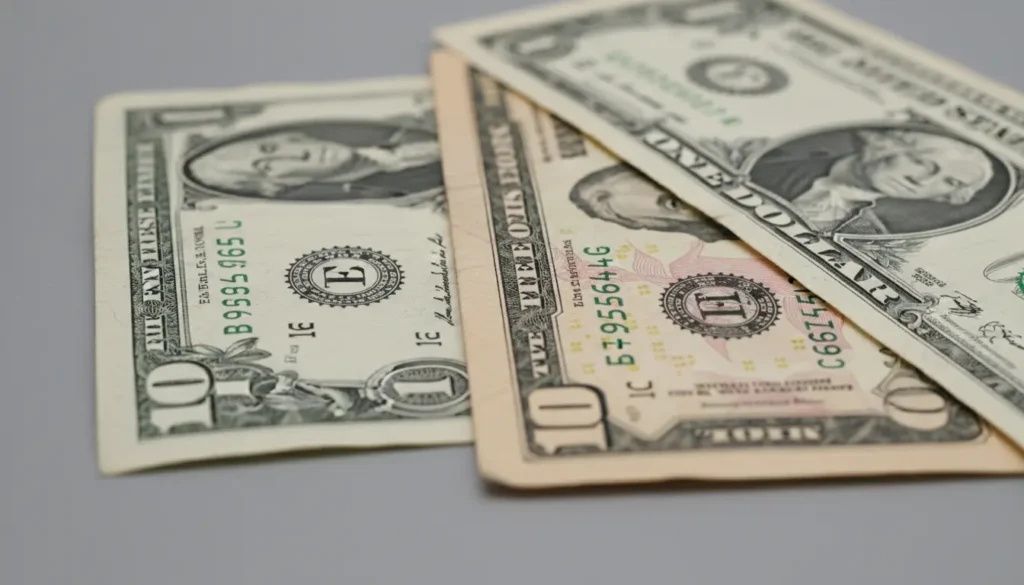
Understanding Star Notes and Serial Numbers
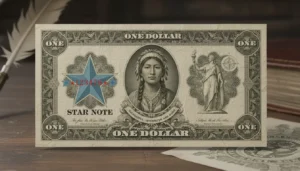
Star notes are U.S. banknotes printed to replace damaged or misprinted bills during production. Instead of the final letter in the serial number, a star symbol appears to mark the replacement.
Collectors value star notes because they are less common than regular notes and complete sequential runs don’t include them. The rarity depends on denomination, series, and production location.
Why Serial Numbers Matter for Value
Serial numbers add a second layer of scarcity beyond the note’s condition and age. Certain patterns or low numbers attract premiums from collectors who focus on “fancy” serials.
Star notes combine two value components: the replacement rarity and any appealing serial number pattern the note may have.
Primary ways serial numbers affect value
- Rarity: Star notes were printed in limited runs as needed, so fewer exist for many series.
- Pattern desirability: Low numbers, repeating digits, palindromes, and ladder sequences can raise interest.
- Condition and grading: The numeric premium is multiplied by the note’s grade (uncirculated vs circulated).
- Demand: Collectors of a specific series or Federal Reserve bank can drive prices higher.
Types of Collectible Serial Numbers
Not all serial numbers are equally desirable. Collectors often hunt for these patterns on star notes and regular notes alike.
- Low serials: 00000001 to 00000099 are highly prized.
- Repeating or solid: 11111111 or 55555555 show visual uniformity.
- Ladder or straight: 12345678 is called a ladder and is popular.
- Radar or palindrome: 12344321 reads the same forwards and backwards.
- Binary or alternating: 10101010 or 12121212 get collector interest.
How to Evaluate a Star Note
Evaluating value requires looking at several factors together. A checklist helps you estimate potential premiums.
- Note condition: grading ranges from circulated to uncirculated; professional grading increases transparency.
- Serial pattern: identify if the number is low, radar, ladder, solid, repeating, or random.
- Denomination and series: higher denominations and certain series can be more sought after.
- Supply: some plate positions and printing facilities issued fewer star notes in a given series.
- Market evidence: recent sales or dealer listings show real-world prices.
Practical steps to appraise
Start by photographing both sides of the note and noting the full serial number. Use online marketplaces and auction records to compare similar star notes.
Consider sending high-value star notes to a professional grading service if you plan to sell, as certification often adds buyer confidence.
Case Study: Small Real-World Example
At a local coin show, a collector brought a $1 star note from the 1990s with a repeating serial pattern. The note was lightly circulated and clearly displayed an 8888-style repetition.
A dealer offered a modest premium over face value based on condition and pattern. The interaction highlighted two points: star notes attract attention, but condition drives actual realized price.
Buying and Selling Star Notes
If you want to buy, start with reputable dealers and established auction platforms. Search specifically for “star note” in listings and verify the full serial number in photos.
When selling, present clear images, state condition honestly, and if possible, provide a grading certificate. Good descriptions with serial number details reduce back-and-forth and increase buyer trust.
Tips for trading
- Use multiple marketplaces to gauge fair market value.
- Keep notes flat and protected in sleeves to preserve grade.
- Disclose any repairs, folds, or marks that affect grade.
- Be realistic: small collectibles often sell for modest premiums unless they have rare serials or perfect grades.
Star notes were introduced in the 1920s to maintain sequential serial numbering when damaged notes were removed. The star acts as a successor marker and signals a replacement bill.
Common Questions About Star Notes and Value
Do all star notes sell for a premium? No. Most star notes need a desirable serial or excellent condition to command significant prices.
How much extra can a star note fetch? Premiums vary widely. Minor premiums are common for circulated star notes, while uncirculated star notes with fancy serials can sell for many times face value.
Final Practical Advice
Focus on condition first, then on serial patterns. A low-grade star note with an interesting serial is usually less valuable than a high-grade star note with no special pattern.
Keep records of purchases and sales to track market trends. Over time you’ll learn which series and serial types perform best in your collecting niche.
Star notes are a clear example of how small differences in serial numbers and production history can change a banknote from everyday paper to a collectible. With careful evaluation and realistic expectations, you can spot value and make informed trades.