

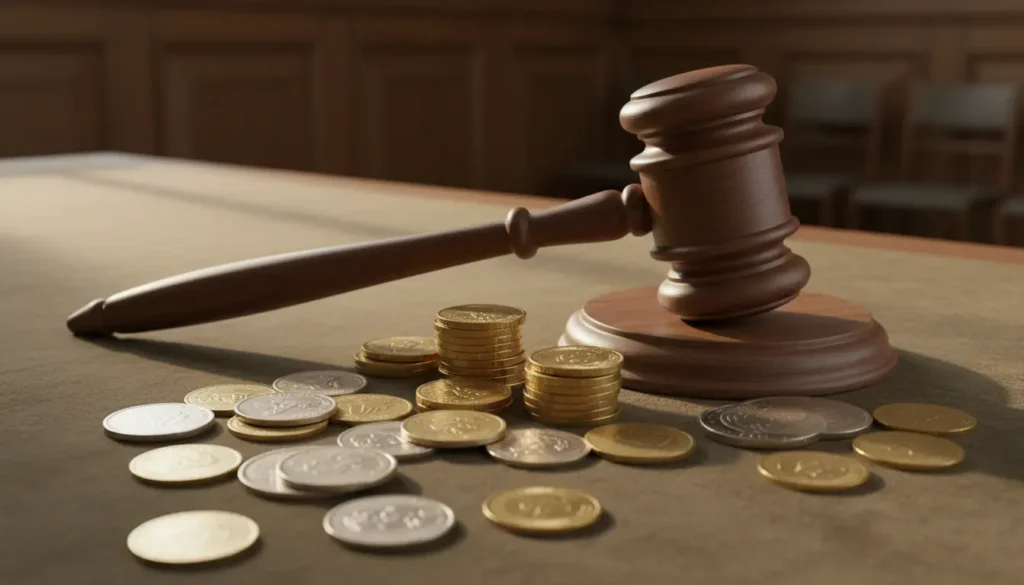
A practical view of coin markets in 2026
Auction results now move markets faster than at any prior time. Online bidding platforms, real-time price reporting, and a global buyer base mean that auction prices increasingly signal what coins are worth.
This article explains how auction prices are shaping coin values in 2026 and gives practical steps collectors and small investors can use to interpret those results.
Auction Prices Driving Coin Values in 2026
Auctions are visible, timestamped records of what buyers will pay under competitive conditions. In 2026, that visibility matters more because data flows instantly to marketplaces and price guides.
When a coin sells above estimate, dealers and private sellers often adjust asking prices quickly. That creates short-term ripples that can turn into sustained value shifts when repeated across different auctions.
Key mechanisms linking auction prices and market value
Several specific mechanisms explain why auctions now shape coin values more than before.
- Price discovery: Auctions reveal the highest price a willing buyer will pay in an open forum.
- Benchmarking: Price guides and marketplaces pull auction results into valuations within days.
- Provenance and verification: Certified auction sales reduce uncertainty about authenticity and condition.
- Global demand: Online bidders from many countries compress regional price differences into a single global level.
What auction prices mean for coin values in 2026
Interpreting auction sales requires context. Not every high sale means a general price rise for a type or grade.
Look for patterns rather than single results. Multiple sales of similar grade and provenance across several auctions indicate a genuine change in value.
Practical signals to watch
- Repeat sales: Three or more similar lots selling above prior comparable prices within six months is a strong signal.
- Sharp bid competition: Large bidder counts and many bid increments often mean broad interest, not a niche impulse buy.
- Premiums for provenance: Coins with documented history fetch consistent premiums, showing that buyers pay more for low risk.
- Estimate adjustments: When major houses raise their low estimates across catalogs, they anticipate higher market demand.
How collectors should respond to auction-driven pricing
Collectors and small investors can use auction information both defensively and opportunistically. The goal is to separate durable trends from one-off anomalies.
Start by monitoring three sources: auction house results, third-party price aggregators, and specialist dealer listings. Combine these for a clearer market picture.
Actionable steps
- Track a sample: Choose 5–10 coin types you own or consider buying and track auction results for six months.
- Note provenance and grading: Record whether top prices come with pedigrees or higher-accuracy grading notes.
- Adjust buying limits: If auctions show a steady 10–20% premium, raise your buy-in threshold accordingly.
- Sell intentionally: Use strong auction results as an exit signal, not the only reason to sell.
Did You Know?
In 2026, many regional coin auctions publish live price feeds that update third-party price databases within hours, shortening the time between a sale and its effect on market listings.
Case study: Small auction, big signal
At a regional numismatic sale in early 2026, a mid-grade silver dollar with clear provenance exceeded the pre-sale estimate by 35 percent. The lot attracted an unusually high number of online bidders from three countries.
Within two weeks, online dealer listings for comparable coins rose 20–30 percent. Several price guide entries were updated to reflect the higher realized price. This single auction, combined with two later sales of similar coins, helped revalue that series for several months.
Risks and caveats when using auction prices
Auction prices can be influenced by short-term speculation, single deep-pocketed buyers, or cataloging errors. Treat single outliers with caution and prefer corroborated results.
Also, watch for ‘‘bidding theatrics’’—lots that attract friendly bidding or shill tactics. Reputable auction houses reduce this risk, but buyers should still verify sale conditions.
Checklist to avoid misreading auction signals
- Compare realized price to the low and high estimate.
- Check buyer location and number of bidders when available.
- Verify whether the coin had special provenance or restoration notes.
- Look for multiple matching sales across at least two auction houses.
Putting it all together
In 2026, auction prices matter more because data is fast, buyers are global, and price guides respond quickly. That elevates auctions from occasional market events to ongoing valuation drivers.
Use auction results as a live input to your valuation process. Track patterns, verify provenance, and adjust buying or selling strategies only after corroboration. This practical approach will help you respond to market shifts without chasing noise.
By watching auction behavior and following the steps above, collectors and small investors can make informed decisions that reflect the true market for coins in 2026.