

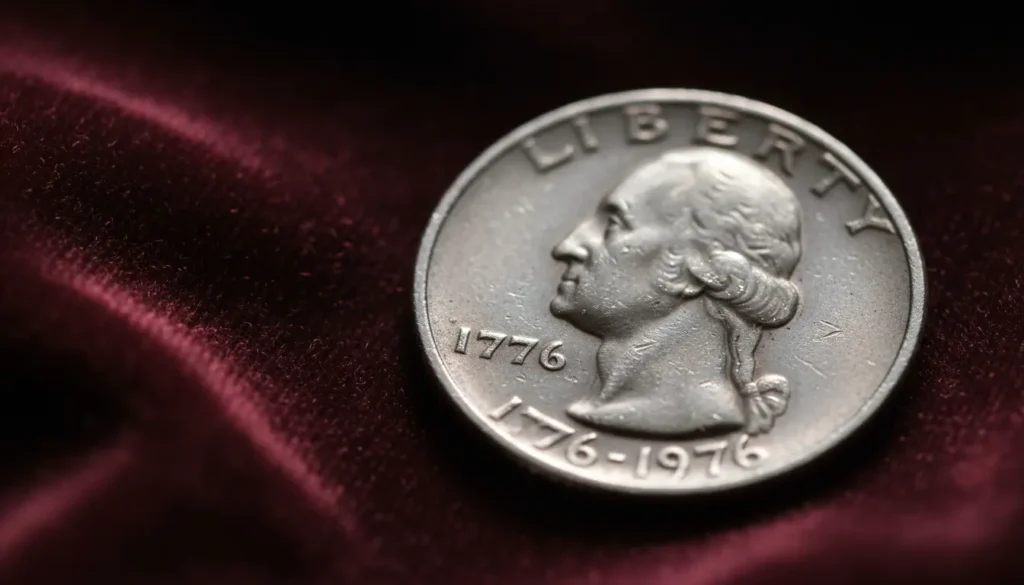
Bicentennial Quarter rumor overview
Online claims that a Bicentennial Quarter is worth $2.5 billion have circulated widely. The idea is eye-catching, but it raises basic questions about coin valuation and verification.
This article explains how such a rumor could start and gives practical steps to evaluate whether a Bicentennial Quarter can realistically be worth $2.5 billion.
How coin values are normally determined
Coins have value based on metal content, rarity, condition, provenance, and collector demand. Most modern quarters, including Bicentennial Quarters minted in 1975–1976, were produced in very large numbers.
Even rare mint errors or varieties rarely approach extreme valuations without extraordinary provenance or historical significance.
Bicentennial Quarter specifics
The Bicentennial Quarter was issued in high volumes to commemorate the United States Bicentennial. Most of these quarters are common in circulated and uncirculated grades.
High-grade examples and a few error varieties can fetch hundreds to low thousands of dollars at auction, not billions. Understanding production numbers and known market sales helps set realistic expectations.
Why the $2.5 billion claim is implausible
There are several practical reasons why a single Bicentennial Quarter would not be worth $2.5 billion:
- Mass production: Billions of Bicentennial Quarters were minted, so true rarity is unlikely.
- Market demand: Even rare US coins typically achieve high prices only when a strong collector base and provenance exist.
- Precedent: The highest coin auction prices are tied to unique historical coins (like rare mint-state double eagles), not modern commemoratives in large runs.
How to verify a coin value claim
If you encounter a headline claiming a Bicentennial Quarter is worth $2.5 billion, follow these verification steps:
- Check reputable auction records (Heritage, Stack’s Bowers, Sotheby’s).
- Consult certified grading companies (PCGS, NGC) for known rarities.
- Ask experienced numismatists on established forums or local coin clubs.
- Request provenance or documentation from the seller or source.
Red flags to watch for
Be skeptical if you see:
- Vague claims with no auction references or certificates.
- Stock photos, reused images, or altered pictures showing metal changes.
- Pressure to sell quickly or offers that bypass reputable graders.
Most modern US circulating coins are worth their face value or modest premiums unless they show a documented rare error, exceptional grade, or unique history.
Examples of real Bicentennial Quarter interest
Some Bicentennial Quarters can attract attention. For example, certain proof coins, high-Mint State grades, or authentic minting errors have sold for hundreds or occasionally thousands of dollars.
These sales are documented with certificates and auction records. They contrast sharply with viral posts that offer no evidence and claim astronomical values.
Case study: Online claim checked by experts
A popular social post showed a photograph of a Bicentennial Quarter and claimed it was worth billions. A collector posted a photo on a reputable forum seeking opinions.
Experienced forum members identified signs of surface alteration and plating. A local coin dealer inspected the piece and confirmed it was an altered circulation coin with novelty plating, not an authentic high-value rarity.
Outcome: The coin’s realistic value was its face value plus a small novelty premium for the plating, not a multi-billion-dollar price.
Practical steps if you think you own a rare Bicentennial Quarter
Follow these steps to get a realistic appraisal:
- Keep the coin in a protective holder and avoid cleaning it.
- Take high-quality photos showing obverse and reverse under good lighting.
- Submit the coin to a trusted grading service (PCGS, NGC) for authentication and grading.
- Get multiple opinions: a local dealer, an auction house, and an independent expert.
- Request written provenance if the seller claims extraordinary rarity.
How grading affects value
A professional grade gives collectors and buyers confidence. Grading establishes condition and authenticity and makes it easier to search past auction results for comparable sales.
Without grading and provenance, dramatic valuation claims remain speculative and untrusted by serious buyers.
Summary: Is the $2.5 billion rumor real?
Short answer: extremely unlikely. Bicentennial Quarters were mass-produced, and while certain errors or high-grade examples have collector value, nothing about the series supports a multi-billion-dollar valuation for a single coin.
Always verify extraordinary claims with documentation, grading, and reputable auction records before accepting viral stories about coin fortunes.
Quick checklist for readers
- Look for documented auction results before believing high valuations.
- Do not clean or alter a suspected rare coin.
- Use certified grading services and reputable dealers.
- Skeptically evaluate social posts lacking provenance or certificates.
If you have a coin you suspect is valuable, collect evidence and consult experts. That approach gives you a clear, realistic assessment rather than chasing viral rumors.