

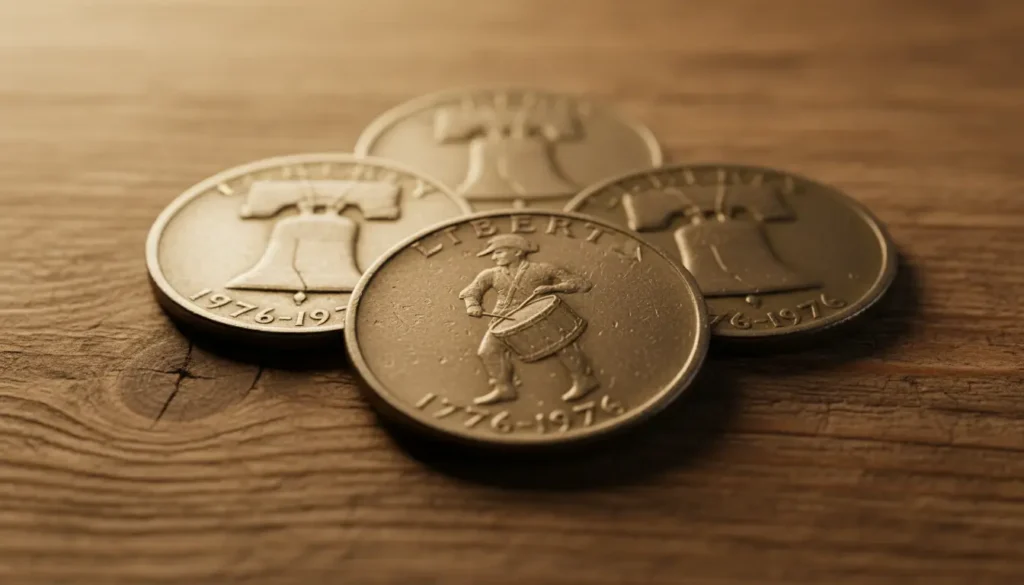
Most 1976 Bicentennial quarters are common and worth face value. However, a few rare varieties and error coins from that series occasionally appear in circulation and can be worth significantly more. This guide explains five types of Bicentennial quarters you should check for, how to identify them, and what steps to take if you find one.
Why Bicentennial quarters can be valuable
Bicentennial quarters were struck in large numbers to celebrate 200 years of U.S. independence. That abundance makes most pieces inexpensive, but collectors pay premiums for coins with unusual features or exceptional condition.
Key value drivers are rarity, eye appeal, minting errors, and whether the piece is a silver proof. Knowing what to look for helps you spot valuable examples in everyday change.
5 hidden Bicentennial quarters to watch
Below are five categories of Bicentennial quarters—common in total mintage but uncommon as valuable examples. Each heading describes how to identify the variety and gives realistic value ranges.
1. 1976-S Silver Proof Quarter
What it is: The 1976-S proof quarter was issued by the San Francisco Mint in 40% silver (for proof sets) and has a mirror-like finish.
How to spot it: Look for an S mint mark on the obverse. The coin will have deep, reflective fields and frosted devices. These are usually found in proof sets rather than circulation.
Estimated value: A typical 1976-S silver proof is worth roughly $3 to $20, depending on condition. Higher-grade certified pieces or those with exceptional eye appeal sell for more.
2. Doubled Die Obverse and Reverse Varieties
What it is: Doubled die coins show doubling on letters, dates, or design elements caused during die creation. Bicentennial quarters have documented doubled die obverse and reverse varieties.
How to spot it: Examine the date, incuse lettering, or the drummer and flames on the reverse with a magnifier. Doubling appears as a clear second set of lines or letters offset slightly from the original.
Estimated value: Values vary widely. Minor doubling might add $10–$100. Strong doubling or rare varieties graded by a third party can reach several hundred dollars.
3. Repunched Mint Mark and Overmint Mark Errors
What it is: A repunched mint mark (RPM) occurs when the mint mark is punched more than once, leaving visible secondary impressions. Overmint marks or struck-over marks are rarer but possible.
How to spot it: Inspect the mint mark area with a loupe. Look for overlapping letters or faint second impressions near the primary mint mark.
Estimated value: RPM coins can range from $25 to several hundred dollars depending on clarity and demand. Documented, dramatic repunchings command the highest prices.
4. Off-Center Strikes and Strike Errors
What it is: Off-center strikes, collar errors, double strikes, and major die breaks are striking errors that remove or shift large portions of the design. These dramatic errors are sought after.
How to spot it: An off-center coin will show missing portions of the design or the design pushed to one side. Die breaks appear as raised lines or blobs on the surface.
Estimated value: Small off-center strikes might fetch $50–$200. Major off-center strikes or dramatic die breaks can be worth several hundred to several thousand dollars depending on the degree of error and collector interest.
5. High-Grade Uncirculated Bicentennial Quarters (MS66+)
What it is: Most Bicentennial quarters were circulated, so an uncirculated coin with pristine surface and full luster is rare in the population of everyday coins.
How to spot it: Look for sharp detail, full mint luster, and absence of contact marks. If a quarter looks exceptionally crisp, consider professional grading to confirm its grade.
Estimated value: A certified MS65–MS67 coin can range from $50 to several hundred dollars. Extremely high grades and coins with full bands or original mint luster can fetch higher premiums.
How to inspect Bicentennial quarters in your change
Use simple tools and steps to screen coins quickly and effectively. Below is a practical routine you can follow.
- Use a 5–10x loupe for magnification.
- Check the mint mark area and the date first; these reveal many varieties.
- Look for mirror-like proof surfaces or frosted devices for silver proofs.
- Inspect edges and rims for clipping or off-center strikes.
- Note any doubling on letters or devices with a strong magnifier or phone macro lens.
Some Bicentennial quarters with dramatic errors or exceptionally high grades have sold for thousands at auction. Even coins found in circulation can be significant if they show clear minting errors or are uncirculated survivors.
Real-world example
A casual collector found a 1976 quarter in change that looked oddly off-center. After checking with a loupe they noticed a nearly half-moon missing design consistent with a major off-center strike. They submitted the coin to a reputable grading service and sold it online after certification. The sale price was several hundred dollars, far above face value.
This example shows that patience and basic inspection of everyday coins can produce surprising finds.
Next steps if you find a potentially valuable Bicentennial quarter
- Document the coin with sharp photos from multiple angles.
- Do preliminary research using online resources or price guides to find similar varieties.
- Consider getting a third-party grading service (PCGS, NGC, ANACS) to authenticate and grade notable finds.
- Sell through reputable auction houses, coin dealers, or established online marketplaces that support certified coins.
Final tips for collectors
Most Bicentennial quarters you find will be common and worth face value. Keep checking rolls, bank change, and coin jars; the effort is low and the upside can be meaningful.
Learn common error types, invest in a good loupe, and build a relationship with a trusted dealer. That practical approach increases the chance that a hidden valuable Bicentennial quarter will be recognized and properly sold.