

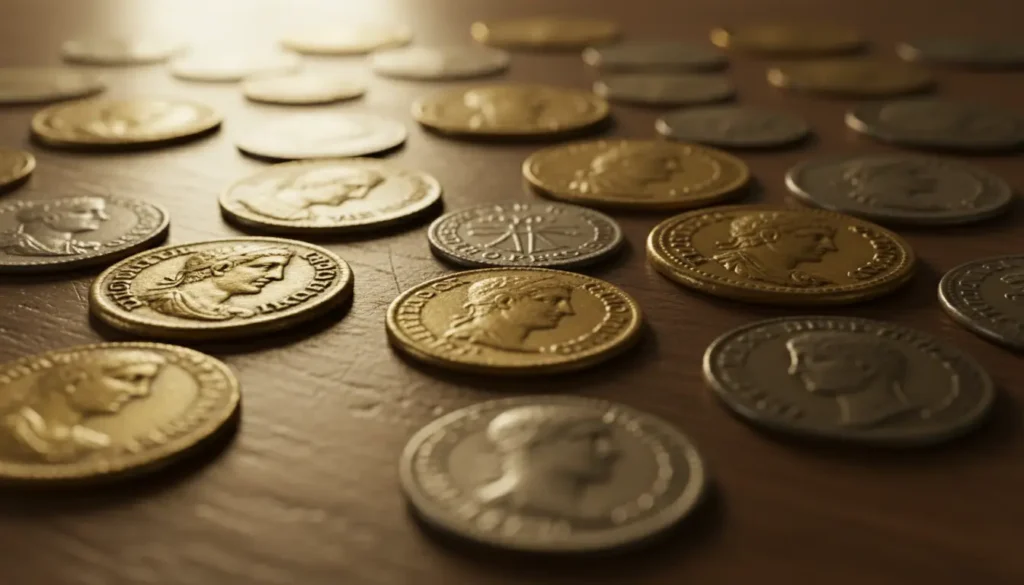
Selling rare coins can be a rewarding way to turn a collection into cash, but success depends on careful preparation and smart choices. This guide explains practical steps to sell rare coins for maximum profit, from confirming value to choosing the right selling channel.
How to Sell Rare Coins for Maximum Profit
Begin by clarifying your goal: maximize net proceeds, not just the sale price. Net proceeds mean sale price minus grading, listing fees, shipping, and taxes. A higher headline price can still result in a poorer outcome if fees and delays eat the margin.
Assess Value and Rarity
Accurate valuation is the foundation for selling rare coins. Start with basic research on mintage, mint marks, known varieties, and market demand. Use reputable price guides and recent auction results as references.
- Check standard references like the Red Book and auction house archives.
- Search completed listings on major auction sites to see real sale prices.
- Note condition differences—grade changes can change value dramatically.
If a coin appears scarce or potentially valuable, get a professional opinion before listing. A misidentified coin can leave money on the table or slow a sale.
Get Coins Graded When It Helps
Grading by a major service (PCGS, NGC) creates buyer confidence and often increases sale price for higher-grade coins. But grading costs time and money, so weigh the expected price bump against fees and turnaround.
Consider grading when:
- The coin is of collectible date and type where grade matters.
- There is buyer demand for certified pieces in auctions or dealers.
- Authentication is questionable or the market requires it.
Prepare Coins for Sale
Presentation matters. Clean coins reduce value for collectors, so never polish or chemically clean a rare coin. Instead, photograph coins carefully and describe them honestly.
- Use a neutral background and natural light for photos.
- Show both sides, close-ups of mint marks, and any damage or toning.
- Provide provenance, previous grading reports, or purchase receipts when available.
Choose the Right Selling Channel
Select the channel that matches your coin type and sale goals. Primary channels include dealers, auctions, and private sales. Each has pros and cons for maximizing profit.
- Auctions are best for rare, high-demand coins and can produce competitive bidding and premium prices. Expect seller commissions and listing time.
- Dealers offer quick sales but typically pay wholesale prices, which may be lower than auction outcomes.
- Online marketplaces (forums, classifieds, marketplace sites) can reach collectors directly but require careful vetting and secure payment handling.
- Private sales to known collectors can avoid fees and accelerate closing, but you need a reliable network.
Set a Realistic Price Strategy
Choose between fixed-price listings and auction formats. Fixed-price sales work well for common high-demand pieces priced competitively. Auctions fit rare or unique coins that could attract bidding wars.
Include reserve prices if you use auctions and want a safety floor. For fixed prices, allow for negotiation by starting slightly above your target net proceeds.
Negotiate and Close the Sale
Protect yourself with secure payment methods and clear shipping practices. For high-value coins, require escrow services or bank transfers and insure shipments. Document the coin condition with dated photos before handing it over.
- Confirm buyer identity for high-value private sales.
- Use recorded delivery with signature for shipping insured items.
- Keep clear records of communications and receipts for tax purposes.
A single grade point can change a coin’s market value by tens to hundreds of percent for certain key dates and types. Grading can be the difference between a common sale and a premium result.
Costs to Account For
Calculate all costs before deciding how to sell. Typical fees include grading fees, auction seller commissions, listing fees on online platforms, payment processing fees, insurance, and shipping.
- Grading: variable by service and turnaround time.
- Auction commissions: commonly 8–15% of final price.
- Marketplace fees: listing plus final value percentages.
Small Real-World Case Study
Case study: A collector had a well-preserved Morgan silver dollar believed to be common. After researching completed sales and submitting the coin for grading, the coin received a high grade from a major grading service.
Because of certification and clean documentation, the seller listed the coin in a specialist auction rather than a general marketplace. Bidding attracted multiple collectors, and the final price was roughly 40% higher than initial fixed-price offers the seller had received from dealers.
After deducting grading and auction fees, the seller’s net proceeds were still substantially higher than dealer offers, illustrating how grading plus the right channel can increase profit.
Final Checklist to Sell Rare Coins for Maximum Profit
- Research rarity and recent sale prices.
- Decide if professional grading is worth the cost.
- Prepare honest, high-quality photos and descriptions.
- Choose auction, dealer, or private sale based on coin and goals.
- Price with fees and taxes in mind and allow negotiation room.
- Use secure payment and shipping; keep records for taxes.
Following these steps will help you sell rare coins for maximum profit while reducing risk. Prioritize accurate valuation, appropriate certification, and the sales channel that fits the coin and the buyer pool.