

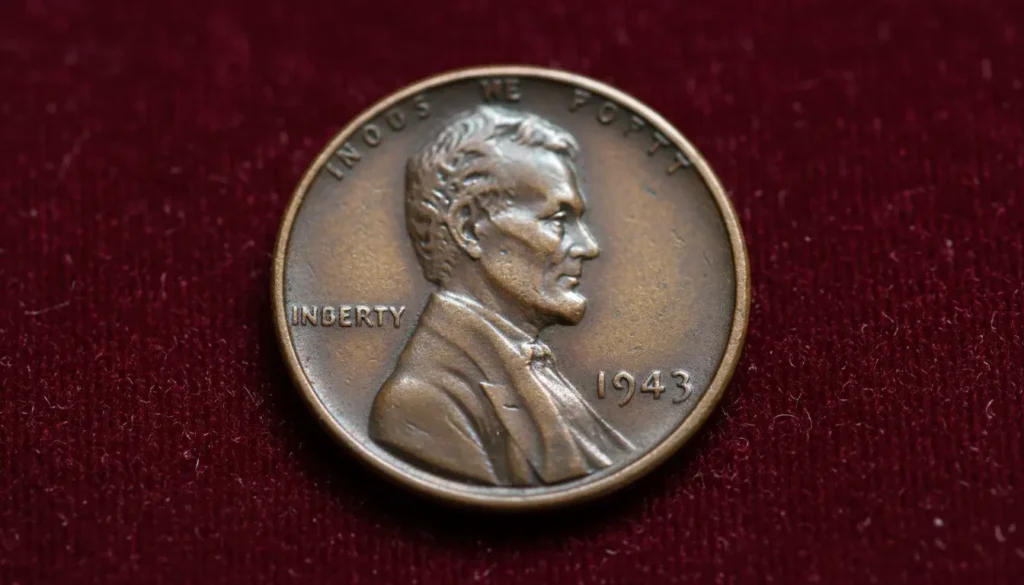
The sale of a single Lincoln penny can sound impossible as headline news, but one specific Lincoln cent did exactly that. It shocked collectors and the public when it fetched a record price at auction. This article explains what made that coin special, how similar rarities are identified and authenticated, and practical steps for collectors who may find an unusual Lincoln penny.
Why the Lincoln Penny Shocked the World at Auction
Not all pennies are created equal. Most Lincoln cents from common years are worth face value. A few, however, are errors or rare varieties that collectors prize. One notable example was a Lincoln penny that sold at auction for roughly $1.7 million in 2010. The coin’s rarity came from an unexpected composition mistake and favorable authentication and grading.
What made this Lincoln penny rare
The 1943 Lincoln cent is the classic example. In 1943 most U.S. pennies were struck on steel planchets plated with zinc because copper was needed for wartime production. A very small number of 1943 pennies were mistakenly struck on bronze planchets intended for other years. That error produced coins that look like ordinary prewar pennies but have the wrong metal.
- Composition error: bronze instead of steel for 1943 cents.
- Low known population: only a handful of confirmed specimens are documented.
- Verified provenance and high grading increased collector demand.
How experts identify a rare Lincoln penny
Identifying a rare Lincoln penny is systematic. Use basic tools and follow steps that professional numismatists recommend. This reduces the chance of misidentification and costly mistakes.
Key checks you can do at home
- Visual inspection: look for the year, mint mark, and unusual color or surface traits.
- Magnet test: steel pennies stick to a magnet; bronze and copper do not.
- Weight test: compare to reference weight. Bronze cents weigh more than steel cents from 1943.
- Compare to photos: use trusted numismatic references and auction archives.
When to seek professional help
If a penny fails the basic checks or seems unusual, send it to a reputable grading service such as PCGS or NGC. Experts use X-ray fluorescence or other non-destructive tests to confirm metal composition and check for alterations or counterfeit attempts.
Authentication, grading, and why they matter
Authentication and grading are central to auction value. A coin that lacks certification typically brings far less interest from serious buyers. Certified coins give buyers confidence in the coin’s authenticity, condition, and attribution.
Grading assigns a condition rating. Higher grades indicate less wear and command higher prices. Provenance — a documented ownership history — further increases auction interest.
Common authentication steps
- Submission to a major grading company (PCGS, NGC, ANACS).
- Metallurgical testing and high-resolution photography.
- Assigning a grade and encapsulation in a tamper-evident holder.
Practical steps if you find a suspicious Lincoln penny
Follow this checklist to protect value and avoid mistakes.
- Do not clean or polish the coin; cleaning destroys collector value.
- Handle coins by the edges and use gloves if possible.
- Take clear, well-lit photos from both sides and note any visible marks.
- Perform a magnet test and simple weight check at home.
- Contact a reputable numismatic dealer or submit the coin to a grading service.
Case study: The 1943 Bronze Lincoln Cent
One of the most widely reported cases involved a 1943 Lincoln cent struck on a bronze planchet. The coin passed authentication and received a high grade from a major grading service. Because few bronze 1943 cents are known, provenance, certification, and collector demand combined to produce a record auction result. The sale raised awareness of composition errors and highlighted the importance of careful handling and professional verification.
Lessons from the sale
- Even low-denomination coins can have extraordinary value when they are genuine rarities.
- Clear documentation and professional grading greatly influence final auction prices.
- Sellers who prepare proper provenance and use reputable auction houses typically reach the best outcomes.
Most 1943 pennies were struck on zinc-coated steel to save copper for war production. A tiny number were accidentally struck on bronze planchets, creating one of the most valuable Lincoln cent varieties.
Preparing to sell a rare Lincoln penny
If you have a certified rare penny, choose a reputable auction house or dealer. Provide documentation, including certification, provenance, and high-quality photos. Expect auction fees and insurance costs, and be prepared for a public sale process that can take several weeks to months.
Alternative sale methods include private treaty sales or working with a dealer who specializes in rare coins. Each option has trade-offs in speed, fees, and final price.
Final practical tips for collectors
- Learn basic coin handling and storage to preserve value.
- Use trusted references and community resources; numismatic forums and local coin clubs can help.
- When in doubt, get a second opinion from a certified grading service.
Rarity, proper documentation, and expert verification turn a common Lincoln penny into a headline-making rarity. Knowing the right checks and steps saves time and protects value if you ever find a penny that looks out of the ordinary.