

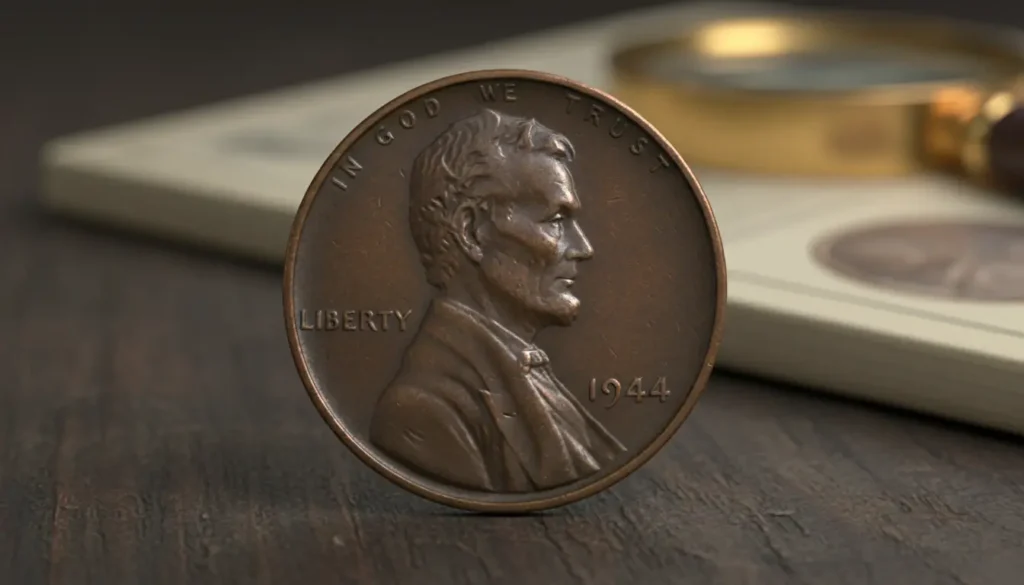
Online posts sometimes claim a Lincoln Wheat penny is worth 168K. These headlines can be true for rare, perfectly graded pieces — but many claims are exaggerated. This guide explains how to evaluate such a claim and what steps to take if you think you own a valuable coin.
Is the Lincoln Wheat Penny Valued at 168K Real?
Short answer: maybe, but not usually. A Lincoln Wheat penny (1909–1958) can reach high prices only in specific combinations of date, mintmark, and grade. Most Wheat cents are worth only face value to modest premiums.
High sale prices happen when a coin is both rare and in exceptional condition, and when the market has strong demand. Always treat online valuations and viral posts as starting points, not facts.
Key factors that produce a high value
- Scarcity: Low mintage or surviving population.
- Condition: High grades (MS65 and above) drastically increase value.
- Attribution: Varieties (like VDB, overdates, or errors) can add value.
- Provenance and certification: Third-party grading (PCGS, NGC) and a documented history help prices.
How to Verify a Claim That a Lincoln Wheat Penny Is Worth 168K
Do not accept a valuation without verification. Follow a clear process to check authenticity and value.
Step 1 – Inspect the coin carefully
Look for date, mintmark, and obvious damage. Scratches, cleaning marks, or heavy wear reduce value dramatically. High-value coins typically show original surfaces and sharp details.
Use a loupe (10x) and good light. Note any oddities like tooling marks, re-punching, or added mintmarks.
Step 2 – Check the variety and rarity
Compare the date and mintmark to trusted references like the Red Book or PCGS population reports. Some dates, like the 1909-S VDB or certain error coins, can command high prices in top grades.
If the claimed 168K value is for a common date or heavily circulated coin, it’s almost certainly inaccurate.
Step 3 – Get third-party grading
Submit the coin to a reputable grading service (PCGS, NGC, or ANACS). Certification provides an objective grade and a marketable slab, which is essential for seven-figure or high-five-figure prices.
Be aware of grading fees and authentication timelines; these services also post census and population data useful for valuation.
Step 4 – Compare recent auction records
Search auction houses and certified sale databases for realized prices of the exact date, mintmark, and grade. Look for final sale prices rather than asking prices.
Realized auction results give the best indication of market value. Ask the grader or a dealer for comparable sales if you do not find direct matches online.
Red Flags: When a 168K Claim Is Likely Hype
Scammers and misinformed sellers use several tactics to inflate perceived value. Watch for these warning signs:
- Vague listings without grade, photos, or provenance.
- Photos that show a slab from a different coin or no slab at all.
- Claims based solely on social media posts or viral videos.
- Pricing much higher than recent auction records for similar coins.
How to Sell or Insure a High-Value Lincoln Wheat Penny
If your coin checks out as legitimately valuable, protect and market it properly. Follow these practical steps.
- Keep the coin in its certification slab; do not attempt to clean or alter it.
- Get a current appraisal from a reputable dealer or certified appraiser for insurance purposes.
- Choose a trusted sales channel: established auction houses, major dealers, or well-known online platforms that verify bidders.
- Keep documentation: grading certificate, provenance, and correspondence related to the coin.
Example Case Study: Verifying an Unexpected Claim
Case study (anonymized): A homeowner found a worn Wheat penny and saw a headline claiming similar coins sold for 168K. They posted photos in a collector forum and were advised to seek grading.
After submission to a grading service, the coin was authenticated as a known variety but graded as VF30 (mid-grade). The graded coin sold through a dealer for a few hundred dollars, not 168K. The difference came down to grade and rarity.
This simple example shows why grading and direct comparables are critical to separating hype from reality.
The Lincoln cent design with the wheat reverse was issued from 1909 until 1958. Some of the rarest Wheat cents are key dates and error varieties, but most are common and worth only a few cents to a few dollars.
Practical Tips for Collectors
Follow these quick rules of thumb to avoid costly mistakes.
- Always seek third-party grading for claims of six-figure values.
- Keep coins in original slabs for sale and insurance.
- Use trusted price guides and auction archives for comparables.
- Consult multiple dealers before accepting or listing a high-value estimate.
Final thoughts on Lincoln Wheat Penny Valued at 168K
Claims that a Lincoln Wheat penny is worth 168K are possible but uncommon. Verification requires checking date, mintmark, grade, and auction records. Treat viral valuations as prompts to investigate, not as confirmation.
When in doubt, get professional grading and multiple opinions. Proper verification protects you from overpayment, underselling, or falling for scams.