

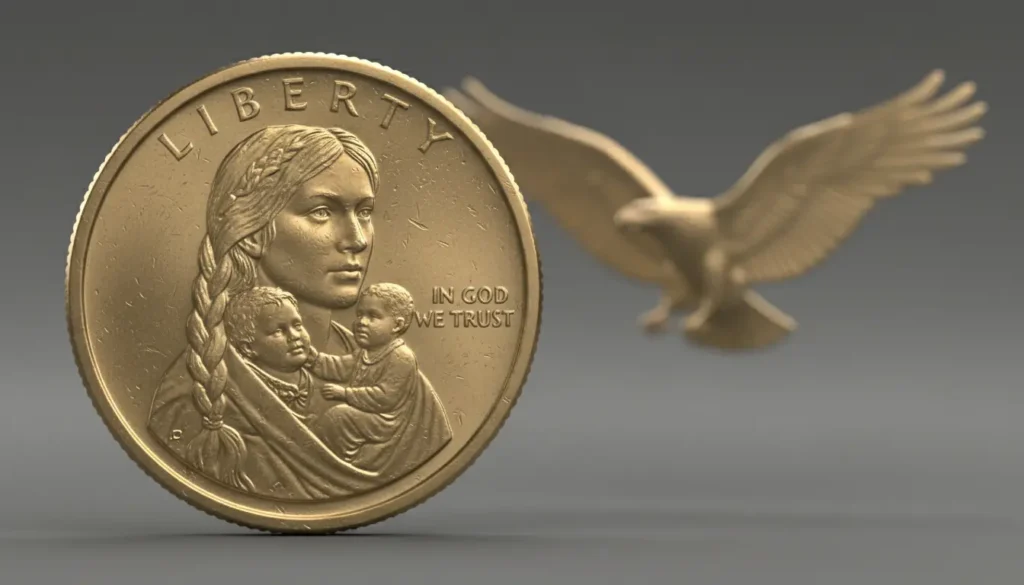
What are No-Date Sacagawea Dollar Claims?
No-date Sacagawea dollar claims are reports that some Sacagawea dollar coins were struck without a visible date. Collectors and sellers sometimes describe these as rare error coins worth more than face value.
This article explains how those claims arise, how to check a coin yourself, and what genuine examples — if any — mean for value.
How No-Date Sacagawea Dollar Claims Start
Most claims originate from photos or listings where the date area looks faint or entirely missing. Lighting, wear, die issues, or minting residue can make the date hard to see.
Sellers may emphasize a missing date to attract buyers, while collectors may speculate about striking errors or deliberate mint experiments.
Common reasons a date appears missing
- Wear from circulation smoothing the date digits over time.
- Post-mint damage or cleaning that removes detail.
- Die polishing that reduced or blurred date digits before striking.
- Strike weakness where the die did not fully impress the metal.
- Dirt, toning, or residue sitting in the date field hiding the digits.
How to Verify a No-Date Sacagawea Dollar
Follow practical steps to assess whether a coin truly lacks a date or only appears to.
Step-by-step inspection
- Clean hands and good light: Hold the coin under bright, even light and tilt it slowly to catch low relief digits. Natural daylight or a daylight-balanced lamp works best.
- Use magnification: A 5x to 10x loupe reveals faint date digits and die marks that naked eyes miss.
- Check both sides: Sometimes re-engraving or wear on the reverse helps identify minting year by die characteristics.
- Compare with reference photos: Use reputable catalogs or the U.S. Mint images to compare date placement and font.
- Seek a second opinion: Ask a local coin dealer or club for a quick inspection before buying or listing.
How Serious Are No-Date Claims for Value?
Most so-called no-date Sacagawea dollars are not worth large premiums. True undated examples struck from dies without a date are exceptionally rare for modern U.S. coins.
When value is affected, it often depends on condition, documented error type, and collector demand. Genuine mint-error coins certified by grading services carry more value than unverified listings.
What increases value
- Certification by a reputable grading service (PCGS, NGC).
- Clear documentation showing the die or mint error responsible.
- High-grade condition free of obvious post-mint damage.
Examples and Red Flags in Listings
When browsing online marketplaces, watch for these warning signs that a no-date claim might be misleading.
- Poor photos with heavy shadows or reflections over the date area.
- Vague descriptions like “no date” without inspection notes or magnified images.
- High asking price with no grading certificate or return policy.
The U.S. Mint generally includes dates on coins from production dies. Most modern undated coins result from die polishing or weak strikes, not an intentional omission by the Mint.
Real-World Case Study: A Listing That Turned Out to Be Wear
A collector found a Sacagawea dollar in circulated condition appearing to lack a date. The seller listed it as an undated mint error with a high price.
After a local coin dealer inspected it with a loupe, faint numerals were revealed. The dealer concluded heavy circulation and soft striking, not a true die omission. The seller lowered the price after adjusting the description, and the coin sold for a modest premium over face value.
When to Get Professional Authentication
If you believe you have a genuine undated Sacagawea dollar or a high-value error, professional grading and authentication are the safest route.
Certified coins provide documented provenance and error description, which helps in resale or insurance situations.
How to choose a grading service
- Use widely recognized services such as PCGS or NGC for modern U.S. coins.
- Check turnaround times and costs: error coins may require additional review fees.
- Ask your local coin club for referrals to reputable submission services or dealers.
Practical Tips for Buyers and Sellers
- Buy photos: Request clear, close-up images with magnification of the date area before purchase.
- Ask questions: Inquire about the coin’s history, how the missing date was discovered, and whether it has been graded.
- Get it authenticated: For coins sold as rare errors, insist on third-party grading or a documented expert opinion.
- Keep expectations realistic: Most unverified no-date claims do not translate into high market value.
Summary: Fact or Fiction?
No-date Sacagawea dollar claims are often fiction when presented without verification. Genuine undated strikes are rare and require careful evaluation.
Use proper inspection methods, seek expert opinions, and rely on certification when value is at stake. That approach keeps collectors from paying premiums for coins that are simply worn or poorly photographed.
If you have a Sacagawea dollar you suspect is undated, follow the verification steps above and consider professional grading before taking any high-value actions.