

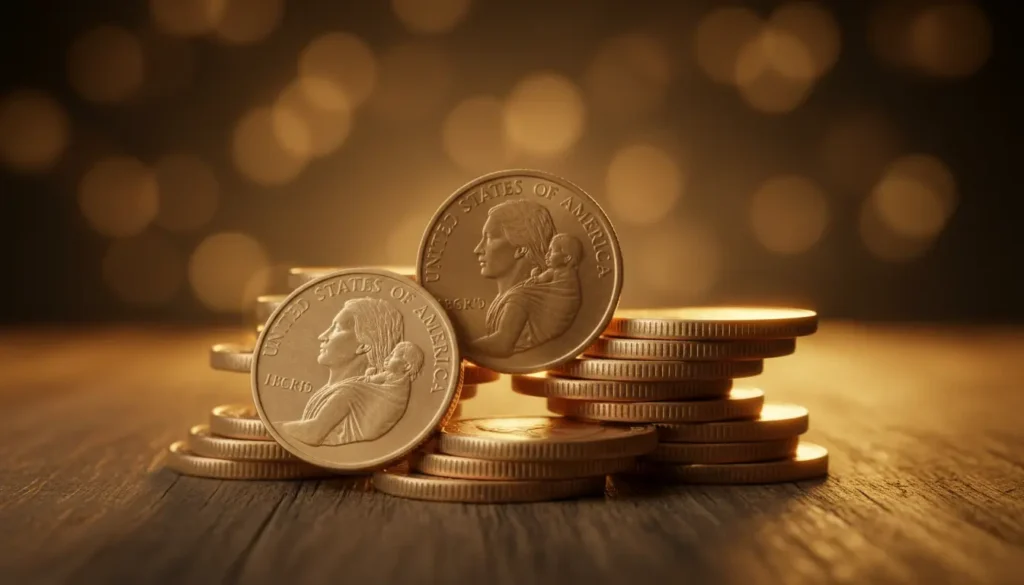
No Date Sacagawea Dollar Coins Worth 17 Million — Fact Or Fiction
Claims that a “no date” Sacagawea dollar could be worth 17 million dollars have circulated online. These stories often spread quickly, but they deserve careful scrutiny before you believe them or list a coin for sale.
Why the claim sounds plausible
Modern coins can sometimes fetch very high prices when they have rare errors, unusual provenance, or historical importance. That reality makes sensational claims about rare variants plausible to casual collectors and the public.
But high auction prices usually have clear reasons: documented rarity, expert authentication, and strong provenance. Without those, a dramatic valuation is unlikely.
How coin value is actually determined
Professional numismatists and grading services use a few consistent factors when valuing coins. Understanding these factors helps separate real rarities from viral fiction.
- Rarity: How many examples are known to exist and whether they are documented by reputable sources.
- Condition: Grading (MS, PF, AU, etc.) significantly affects value; small differences can change price substantially.
- Type of error or variety: Genuine mint errors (off-center strikes, double dies, planchet errors) can raise value if authenticated.
- Provenance: Coins with historic ownership or documented hoards can be more valuable.
- Market demand: Collector interest for a specific error or series drives final auction prices.
No Date Sacagawea Dollar Coins Worth 17 Million — Common Problems With the Claim
The specific idea that a generic no-date Sacagawea dollar equals 17 million dollars fails on several practical grounds. First, genuine no-date Sacagawea dollars are extremely rare or essentially nonexistent as a recognized variety in major references.
Second, even when a coin lacks a visible date because of weak strike or wear, experts look for other diagnostic features before declaring it a rare variety. Many “no date” claims result from cleaning, wear, or lighting conditions that obscure a date, not a mint production anomaly.
Typical reasons a date might be missing
- Weak strike: The die didn’t fully impress the design on that particular strike.
- Wear and circulation: Heavy wear can erase date details over time.
- Cleaning or damage: Aggressive cleaning can remove surface metal and soften the date.
- Obscured by dirt or toning: Surface deposits or dark toning can hide the date until cleaned or examined under magnification.
The Sacagawea dollar was first issued in 2000 and features Sacagawea carrying her infant son Jean Baptiste. Modern coin errors do sometimes become valuable, but values depend on rarity and authentication.
How to check your Sacagawea coin if you suspect no date
Use simple, low-cost steps before assuming extreme value. Start with good lighting and a 10x loupe to inspect the date area closely. Compare your coin to high-quality reference images for the same year.
Weigh and measure the coin: an authentic Sacagawea dollar has a specific weight and diameter. If you suspect a true mint error, do not clean or alter the coin; document the coin with photos from multiple angles.
When to get professional help
If you still believe the coin has a genuine mint error after basic checks, contact a reputable grading service such as PCGS or NGC. Submit clear photos and ask for an opinion before sending a coin for full grading.
Professional grading and authentication will confirm whether the coin is a recognized variety or a common issue like wear. Expect certification to cost money, and weigh that against a realistic estimate of value first.
Real World Example: Why Some Coins Reach Millions
To put the Sacagawea claim in context, examine why a few coins have reached million‑dollar prices. The 1933 Saint‑Gaudens double eagle sold for nearly 19 million dollars because of its extreme rarity and unique legal history. That coin’s price was driven by its legal status and documented provenance, not by being a simple error.
This example shows that extreme prices typically involve historic rarity and legal clarity. A modern circulating coin without that provenance rarely reaches those sums.
Small case study: viral listing vs. auction reality
A seller listed a Sacagawea dollar online claiming it was an undocumented no-date variety worth millions. After collectors questioned the listing, the seller submitted images to an online forum and a professional grader.
Experts concluded the date was weakly struck and partially obscured by wear. After professional grading, the coin’s value was modest and consistent with common circulated examples. The viral claim did not hold up to professional scrutiny.
Practical steps if you find a coin with a missing date
Follow these steps to handle your coin rationally and avoid scams or disappointment.
- Examine under 10x magnification and bright light to verify the date is truly missing.
- Compare with reference photos and weigh/measure the coin for authenticity checks.
- Take clear photos and post on reputable collector forums for initial feedback.
- If feedback suggests a possible error, contact a recognized grading service for authentication.
- Be cautious with buyers who promise outrageously high payments without documentation.
Final takeaway
While rare modern coins and genuine mint errors can be valuable, the headline claim that no date Sacagawea dollar coins are worth 17 million dollars is extremely unlikely without rigorous evidence. Use careful inspection, seek expert opinions, and rely on professional grading before accepting or promoting viral valuations.
Accurate valuation requires documentation, authentication, and market demand—none of which are guaranteed simply by a social media post or a single photo.