

The Sacagawea dollar is a small but important part of modern U.S. coinage. Collectors and casual holders often encounter two very different things called “Silver Sacagawea” and “Gold Sacagawea.” This article explains what each term usually means, how to tell them apart, and what affects their value.
What is the Gold Sacagawea?
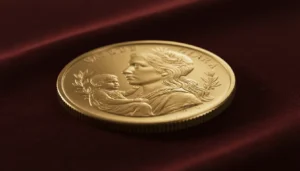
When people say “Gold Sacagawea” they most often mean the regular Sacagawea dollar issued by the U.S. Mint since 2000. The coin has a golden appearance, but it is not made of gold. The obverse shows Sacagawea carrying her infant son, and the coin was designed for circulation and public use.
The golden color comes from the coin’s composition: a copper core with outer layers of manganese brass. That composition gives durability and a distinctive color while keeping production costs low.
What is the Silver Sacagawea?
“Silver Sacagawea” is a less precise term. In most cases it refers to Sacagawea designs struck on silver planchets by private mints or made for special collector products rather than a circulating silver dollar issued by the U.S. Mint.
Some private mints and medal producers have made .999 or sterling silver rounds or medals featuring Sacagawea. These items use the familiar design but are not legal tender. In rare cases, collectors may see Sacagawea designs in special noncirculating U.S. Mint collector sets or novelty pieces that include silver content.
Key differences at a glance
- Issuer: Gold Sacagawea — U.S. Mint (circulating dollar). Silver Sacagawea — usually private mints or noncirculating collector pieces.
- Metal: Gold Sacagawea — manganese-brass clad (not real gold). Silver Sacagawea — silver (.999 or sterling) or silver-plated variants.
- Legal tender: Gold Sacagawea — yes (face value $1). Silver Sacagawea — typically no (unless noted by U.S. Mint product descriptions).
- Market value: Gold Sacagawea — normally face value unless collectible. Silver Sacagawea — value tied to silver content and collectibility.
How to identify a Silver Sacagawea
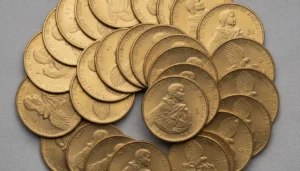
Follow these steps to verify whether a Sacagawea-style item is silver:
- Check for hallmarks or purity marks like 999, 0.999, or STERLING. Private mints often stamp purity and manufacturer marks.
- Weigh the item and measure diameter and thickness. Compare dimensions to standard U.S. dollar coins to spot differences in metal density.
- Look for mint markings. Official U.S. Mint Sacagawea dollars include mint marks and dates; private rounds may include maker logos instead.
- Use a magnet test. Silver is not magnetic, so attraction to a magnet indicates non-silver components.
- If in doubt, have the coin tested by a reputable coin dealer or use x-ray fluorescence (XRF) testing for non-destructive analysis.
Value differences and what affects price
Value depends on multiple factors: metal content, rarity, condition, and provenance. Each type behaves differently in the market.
For Gold Sacagawea (standard U.S. dollar): most examples remain at or near face value. Collectible premiums appear for mint state, rare dates, mint-mark varieties, and significant errors.
For Silver Sacagawea items: intrinsic silver value forms a price floor. Above that, limited mintages, desirable finishes, and collector interest raise the premium.
Typical buyer considerations
- Authentication: Verify issuer and metal content before purchase.
- Purpose: Buy silver Sacagawea as bullion, a collectible, or decorative piece depending on your intent.
- Liquidity: Circulating Sacagawea dollars are easy to move; private silver rounds may have a smaller resale market.
The Sacagawea dollar was introduced in 2000. Its obverse depicts Sacagawea carrying her infant son Jean Baptiste, and the coin’s golden color comes from a manganese-brass cladding, not from gold metal.
Practical steps to buy or sell
If you find a Sacagawea-style item and want to determine its value, follow this checklist. The steps are practical and repeatable by collectors and sellers.
- Identify maker marks and purity stamps. Photographs help when researching online.
- Weigh and measure the coin. Cross-check numbers against known standards.
- Consult recent sales. Check auction results and dealer listings for comparable items.
- Get a professional opinion for high-value pieces. Use graded services or trusted numismatists.
- Document provenance. Receipts, certificates, and original packaging increase buyer confidence.
Real-world example: A collector’s lesson
A collector bought a “silver Sacagawea” listed as a rare silver dollar on an online marketplace. The photos matched the Sacagawea design, and the seller described it as 0.999 silver. The buyer received the piece and found a small maker’s mark and a 999 stamp on the edge.
After weighing the coin and confirming measurements, the buyer realized it was a private mint round with silver content, not a U.S. Mint silver dollar. The coin was worth its silver melt value plus a modest collector premium. The buyer kept it as a display collector item and sold another similar piece to recoup cost.
Summary: Choose based on intent
Gold Sacagawea generally means the standard, golden-colored Sacagawea dollar issued for circulation. Silver Sacagawea usually refers to private mint silver rounds or special noncirculating pieces bearing the Sacagawea design.
To navigate the market, focus on authentication, metal content, and recent comparable sales. These factors will guide buying, selling, and valuation decisions without relying on confusion about color or design alone.
For further research, consult a reputable coin dealer or the U.S. Mint product pages when you suspect a nonstandard Sacagawea item.