

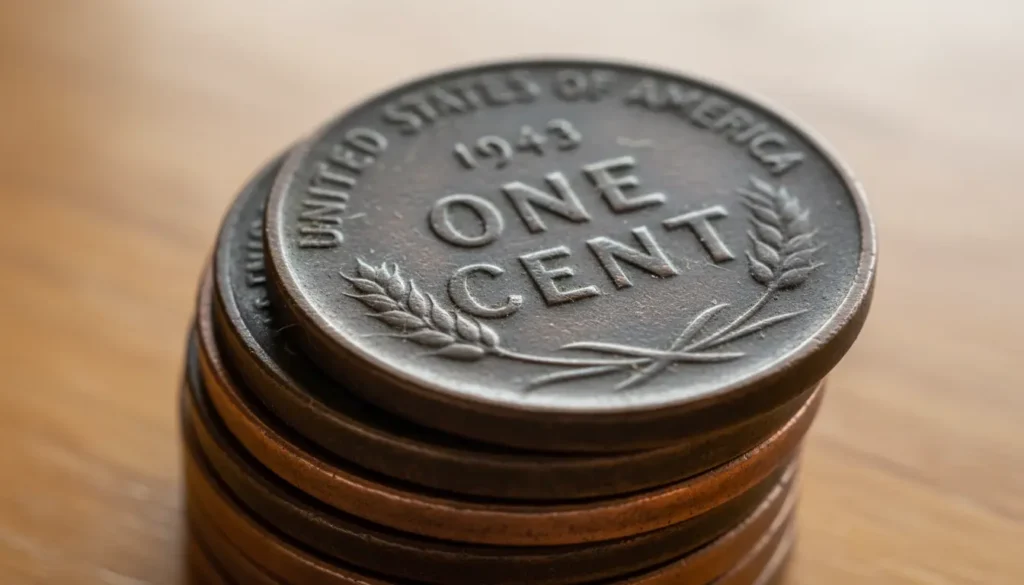
Wheat pennies can sit in jars or rolls for decades without being noticed. A few specific dates, mintmarks, or error varieties are highly sought by collectors and may be worth far more than face value. This guide highlights the top 10 most valuable wheat pennies and gives practical tips to identify and handle them.
Why wheat pennies are valuable
Wheat cents were produced from 1909 to 1958, and scarcity is the main driver of value. Key dates, low-mintage mintmarks, and striking errors make some examples rare.
Condition matters: a coin in mint or near-mint condition can be worth many times a circulated example. Professional grading often confirms value for auction or sale.
Top 10 Most Valuable Wheat Pennies
Below are ten wheat penny types commonly sought after by collectors. Each entry includes identification tips and why it commands attention.
-
1. 1909-S VDB
Look for the initials VDB on the reverse at the bottom. This San Francisco-minted coin has a low mintage and strong collector demand.
-
2. 1909-S
Even without VDB, 1909-S cents are scarce compared to many other early dates. Mintmark S is located on the obverse under the date or near the rim.
-
3. 1914-D
A Denver-minted 1914 is a classic key date for type collectors. Surviving examples in higher grades are limited.
-
4. 1922 No D (Plain)
Some 1922 cents from Denver were struck weakly and show no D mintmark. The plain 1922 is a well-known rarity when genuine.
-
5. 1926-S
Several mid-1920s San Francisco issues have low populations in higher grades. A sharply struck 1926-S can attract premium prices.
-
6. 1931-S
1931-S is another low-mintage San Francisco issue. Condition and strike quality determine much of the value.
-
7. 1943 Copper
Most 1943 cents were made in steel due to wartime needs, but a very small number were struck on copper planchets. Genuine 1943 copper cents are exceedingly rare and heavily scrutinized.
-
8. 1955 Doubled Die Obverse
This is one of the most famous error coins. Look for strong doubling on the date and Lincoln’s profile lettering. Even worn examples attract interest.
-
9. 1909 VDB (Philadelphia)
The initial-issue 1909 with designer initials can be scarce in higher grades. Compare reverse fields and lettering to confirmed examples.
-
10. Notable Doubled Dies and Striking Errors
Varieties like repunched mintmarks, broadstrikes, and other doubled dies from the 1910s–1950s can have strong niche value. Identification requires comparison to documented varieties.
How to identify a valuable wheat penny
Follow a simple checklist when you find a wheat penny in circulation or a found roll.
- Check the date and mintmark carefully with good lighting and a loupe or magnifier.
- Look for unusual features: doubling, missing mintmarks, or lettering anomalies.
- Note metal color: a 1943 copper claim is rare and should be handled with caution.
- Photograph both sides and compare to reference images from reputable sources.
Practical steps for verification and sale
If you believe you have a valuable wheat penny, follow these steps to preserve value and avoid scams.
- Handle coins by the edges and store them in acid-free flips or holders.
- Compare details to guides or online databases from major numismatic organizations.
- For high-value candidates, obtain authentication from an established grading service (PCGS, NGC, ANACS).
- Get multiple opinions before accepting a private sale; consider auction houses for rare, high-end examples.
Some wheat penny errors are caused by die wear or misalignment during striking. These production mistakes can create varieties collectors prize decades later.
Case Study: Finding and selling a candidate wheat penny
A hobbyist emptied a decade-old coin jar and spotted a 1914-D with sharp numerals and a clear D mintmark. They photographed both sides, posted images to a reputable coin forum, and received confirmation it was an authentic key date in circulated condition.
The collector then submitted the coin for third-party grading to confirm authenticity and obtain a grade. After grading, they listed the coin at auction where competitive bidding resulted in a successful sale to a specialist dealer.
Quick tips for everyday searches
- Check rolls and pocket change from banks periodically—rare coins still appear in circulation.
- Keep a loupe in your wallet or coin kit for quick inspection.
- When in doubt, photograph and ask a community or dealer before selling.
Top 10 Most Valuable Wheat Pennies vary by grade and market demand, but knowing which dates and varieties to watch for greatly increases your chance of turning pocket change into a meaningful find. Careful handling, verification, and using trusted grading or auction channels will protect and maximize value.