

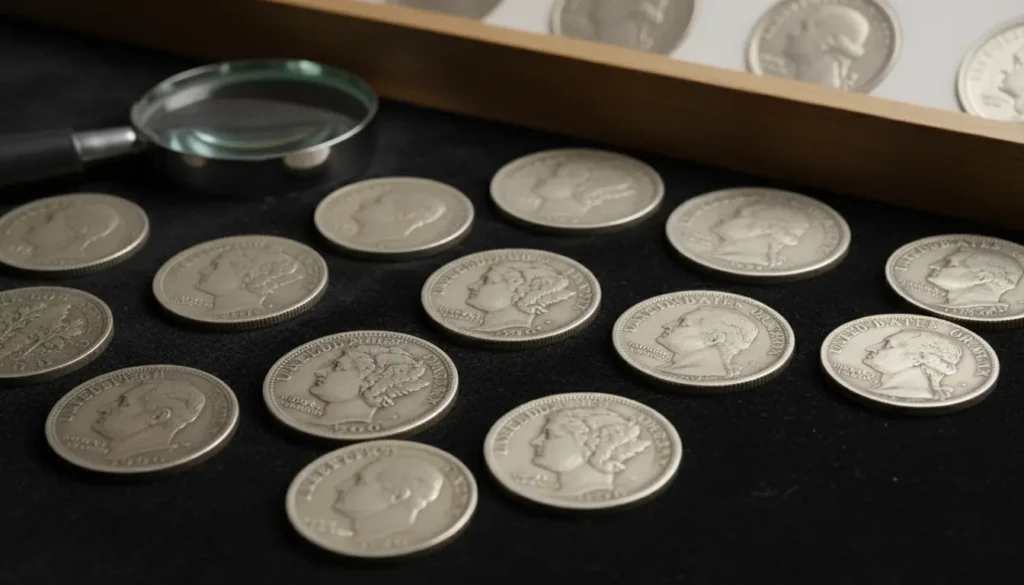
Top 8 Rare Dimes and Quarters That Could Make You Rich Overnight
This guide highlights eight rare dimes and quarters that collectors and dealers prize. The goal is practical identification, basic value drivers, and steps you can take if you think you own one of these coins.
Why rare dimes and quarters matter
Small coins are easy to overlook, yet some date-and-mint combinations are extremely scarce. Condition, provenance, and mint errors can push prices from face value to five or six figures.
Top 8 rare dimes and quarters to watch
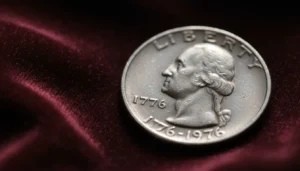
Below are eight coins commonly recognized as rare or high-value. Each entry gives what to look for, why it’s valuable, and practical handling tips.
1. 1894-S Barber Dime
Why it’s rare: Few were minted—historical accounts list very low mintage (often cited as 24). Surviving examples are extremely scarce.
What to look for: Barber design, S mint mark under wreath, smooth fields in high-grade pieces.
2. 1916-D Mercury Dime
Why it’s rare: Key-date for the Mercury series with low mint output at Denver. High-grade examples command premiums.
What to look for: Winged Liberty head (Mercury), D mint mark on the reverse, strong details on the wings and torch.
3. Seated Liberty Dime with Carson City mint marks
Why it’s rare: Several Seated Liberty dimes from the Carson City (CC) mint are scarce, especially in better grades.
What to look for: Seated Liberty design, CC mint mark typically on the reverse, watch for wear and cleaning signs.
4. Early Draped Bust and Capped Bust dimes
Why it’s rare: Early U.S. dimes (late 1700s–mid 1800s) have low surviving populations and high collector demand.
What to look for: Draped Bust or Capped Bust designs, strong date and edge reeding, provenance compared with known patterns.
5. 1796 Draped Bust Quarter
Why it’s rare: As one of the earliest U.S. quarters, surviving examples are very scarce and historically significant.
What to look for: Draped Bust obverse, eagle reverse style that matches 1796 patterns, signs of contemporary circulation.
6. 1916 Standing Liberty Quarter
Why it’s rare: The 1916 Standing Liberty Quarter is a key date for the series with low mintage and strong collector demand.
What to look for: Standing Liberty design, year 1916, check for Type 1 vs Type 2 features and mint marks.
7. 1932-D Washington Quarter
Why it’s rare: Low mintages early in the Washington quarter series make 1932 Denver issues a key date for collectors.
What to look for: Washington portrait, D mint mark on reverse, look closely at rim and hair details for grading.
8. 1932-S Washington Quarter
Why it’s rare: Like the Denver issue, the San Francisco 1932 quarter is scarce in higher grades and sought after by series collectors.
What to look for: S mint mark, clear strike details, and minimal wear for best value.
How to identify rare dimes and quarters
Identification rests on a few repeatable checks. Use a loupe, reliable references, and careful handling to avoid damage.
- Inspect the date and mint mark with 10x–20x magnification.
- Compare the design details against a reputable price guide or coin encyclopedia.
- Look for errors (double dies, repunched mint marks, off-center strikes) that often add value.
Practical tips before you sell or submit for grading
- Do not clean the coin — cleaning destroys collector value.
- Use archival flips for temporary storage; avoid PVC holders.
- Get opinions from two reputable dealers or a local coin club before paying for third-party grading.
The 1894-S Barber dime is one of the most famous U.S. coin rarities. Historically, only a very small number were minted, and a handful of examples have sold for six-figure sums at auction.
Where to get coins authenticated and sold
Professional authentication and grading increase buyer trust and often price. Use established services like PCGS, NGC, or ANACS for grading.
When selling, consider these venues:
- Auction houses that specialize in coins for high-value pieces.
- Reputable coin dealers for quicker private sales.
- Online marketplaces with buyer protections if you have clear grading and provenance.
Example: A real-world case study
A collector inherited a small tin of mixed coins and found an 1894-S Barber dime among common pocket change. After careful review with a coin club and professional grading, the coin was authenticated and sold at auction for a six-figure sum.
Key takeaways: get expert opinions, avoid cleaning, and use a trusted auction house to reach serious buyers.
Final practical checklist
- Check dates and mint marks with a loupe.
- Keep the coin uncleaned and in protective storage.
- Get multiple opinions and consider professional grading for high-value pieces.
- Research recent auction results for similar coins to set realistic expectations.
Rare dimes and quarters can appear in everyday change, estate collections, or long-forgotten boxes. A careful, methodical approach to identification and sale will help you capture the true value without unnecessary risk.