

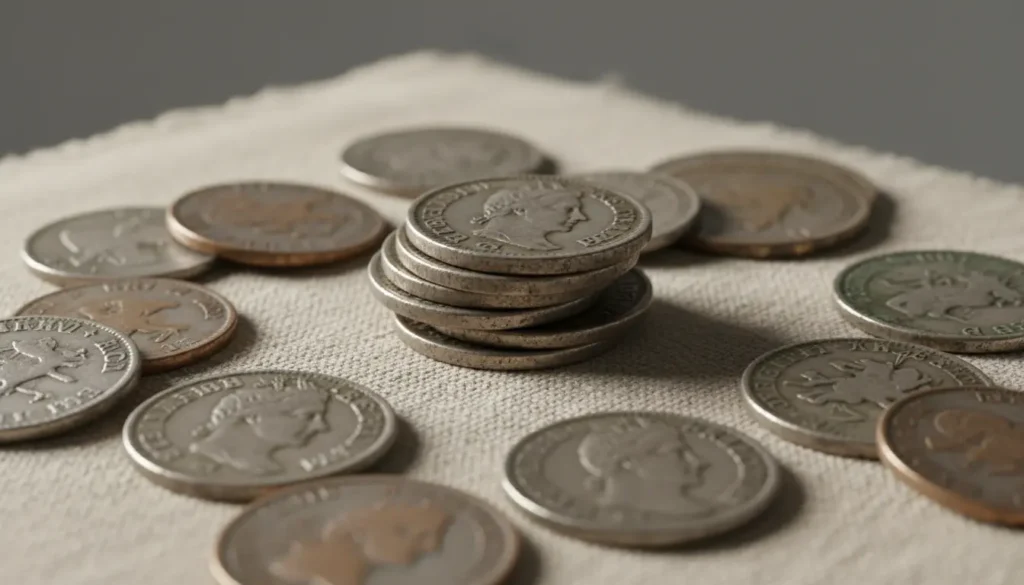
Why grading matters for coin value
Accurate grading is the foundation of coin valuation. Collectors, dealers, and auctions rely on grades to compare condition, demand, and price in a consistent way.
Understanding grading basics helps you avoid mistakes that reduce a coin’s market value. It also helps you decide when professional grading makes sense.
Top Grading Tips That Maximize Coin Value: Key Principles
Use these core principles to protect and potentially increase the market value of your coins. They apply across common U.S. and world issues, bullion, and numismatic rarities.
1. Handle coins correctly
Always hold coins by the rim to avoid fingerprints on fields and devices. Natural oils from your skin can cause spotting or toning changes over time.
Wear clean cotton or nitrile gloves if you expect to handle many coins. Use soft pads and trays to prevent accidental scratches or dings.
2. Clean coins only when necessary—and never harshly
Cleaning is one of the fastest ways to reduce a coin’s grade and value. Even minor abrasions from rubbing or improper chemicals are visible to graders and buyers.
If a coin has active corrosion or harmful residues, consult a professional conservator or a trusted dealer before attempting any cleaning.
3. Learn grading standards and grading language
Study common grading scales such as the Sheldon 70-point scale and familiar terms like About Uncirculated (AU) or Extremely Fine (EF/XF). Recognizing surface, strike, luster, and eye appeal is essential.
Use reference guides and certified population reports to compare similar coins. This reduces guesswork when deciding whether to submit a coin for third-party grading.
4. Choose reputable third-party grading services
Submit coins to well-known grading services when certification will materially affect value or saleability. Reputation and consistency matter to buyers.
Research grading fees, turnaround times, and service options. Some services offer bulk or value-based tiers that suit high-volume collectors.
5. Maintain stable storage conditions
Store coins in a dry, temperature-stable environment to prevent tarnish, corrosion, or environmental damage. Excess humidity and temperature swings are common causes of degradation.
Use inert holders like Mylar flips or archival-quality capsules and boxes. Avoid PVC-containing plastics that can leach and cause greenish residue or streaking.
6. Document provenance and history
Provenance, purchase records, and clear photographs improve buyer confidence and can add value. A documented chain of ownership helps with rarities and high-value pieces.
Keep receipts, auction lot numbers, and grading reports together in a safe file or digital archive for easy reference.
7. Recognize restoration and alteration signs
Altered coins—cleaned, repaired, or retoned—may be identified by trained graders. Always disclose any known restoration when selling to maintain transparency and avoid disputes.
If unsure, get a diagnostic opinion from multiple experienced dealers or a conservation specialist before selling or grading.
Preparing coins for submission to grading services
Not every coin needs professional grading. Use these criteria to decide when to submit:
- Rarity and historical significance
- Potential grade jump that increases market value
- Buyer confidence for online sales or auction consignments
When submitting, clean your workspace, label each coin with basic info, and package securely to prevent movement during shipping.
Practical storage checklist to maximize coin value
- Use archival, inert holders and store in a locked, climate-controlled area.
- Monitor humidity (aim for 35–45%) and avoid basements or attics.
- Inventory coins with photos and basic notes about grade, provenance, and purchase date.
- Review insurance coverage and appraisals for high-value coins every few years.
Some toned coins with natural, attractive patina can command premiums above higher numerical grades because collectors value eye appeal and originality.
Real-world example: Case study of a graded Lincoln cent
In 2018 a collector found a 1909-S VDB Lincoln cent in a box lot and initially thought it was a common copper penny. The coin showed strong original luster and minimal wear, but the owner was unsure about cleaning or grading.
After consulting a trusted dealer, the coin was submitted to a major third-party grader. It received a higher grade than expected and an attribution for original luster. The certified coin sold at auction for several times the collector’s original investment.
This case shows the value of careful handling, using reputable grading services, and documenting provenance before sale.
Final tips to maximize coin value through grading
- Be conservative with cleaning—preserve originality whenever possible.
- Educate yourself on grading criteria and consult multiple sources.
- Use reputable graders and decent photography to document condition.
- Store coins correctly and keep clear records to support provenance.
Applying these grading tips consistently will protect your collection and help you realize the best market value when you choose to sell or trade.