

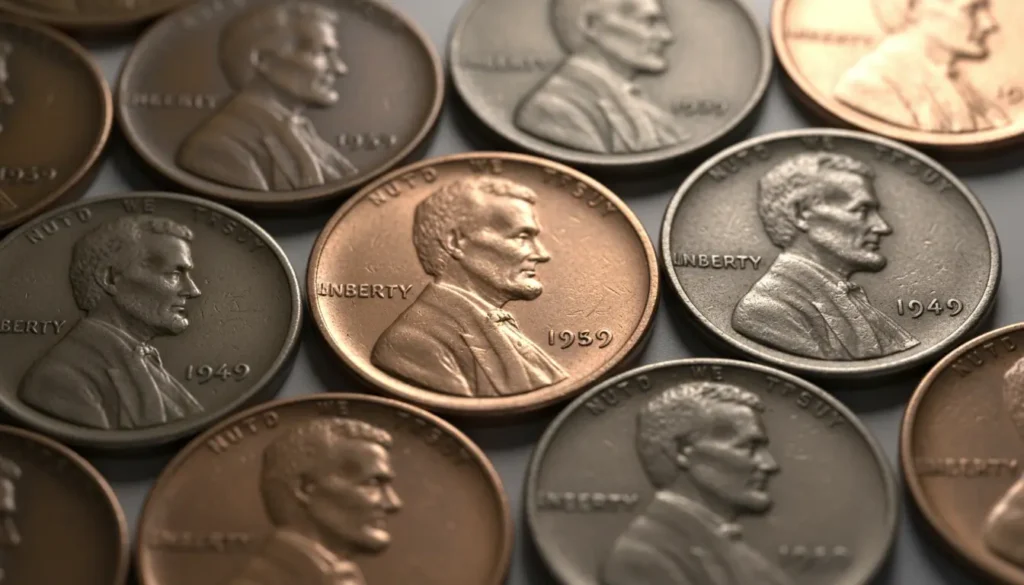
How to Use This Checklist for Valuable Penny Varieties
This checklist helps collectors and resellers quickly evaluate penny varieties for value. Follow the steps in order to save time and avoid common mistakes.
Keep a loupe, scale, soft gloves, and reference guides on hand. Use each section below to narrow down candidates for further research or grading.
Basic Identification Steps for Valuable Penny Varieties
Start with basic identification to rule out modern, low-value coins. These first checks are quick and often decisive.
1. Confirm Date and Mint Mark
Check the coin’s date and look for a mint mark near the date or on the reverse, depending on the series. Popular high-value U.S. pennies include:
- 1909-S VDB Lincoln cent
- 1914-D Lincoln cent
- 1955 doubled die obverse
- 1969-S doubled die obverse
Even worn examples of these dates can be worth more than face value.
2. Look for Obvious Mint Errors
Mint errors can increase value. Common error types are doubling, off-center strikes, broadstrikes, clipped planchets, and overstrikes.
- Doubled die: Design elements appear doubled, not just the date.
- Off-center: Part of the design is missing due to misalignment.
- Planchet errors: Include clipped or laminated planchets.
Condition and Grading Tips for Valuable Penny Varieties
Condition strongly affects value. Use a loupe at 10x to examine surfaces and high points.
3. Assess Wear and Surfaces
Look for high-point wear, scratches, and cleaning marks. Natural toning is acceptable, but hairline scratches from cleaning usually reduce value.
Uncirculated or mint state coins command the highest prices. Even a scarce date can be worth much more in higher grades.
4. Check for Alterations
Be wary of altered mint marks and re-punched mint marks. Fraudulent alterations are sometimes used to turn common dates into scarce varieties.
- Look for tool marks or inconsistent mint mark placement.
- Use reference photos to compare the mint mark shape and style.
Research and Reference for Valuable Penny Varieties
Accurate attribution requires comparison with reliable references. Use books, reputable websites, and auction records.
5. Use Authoritative Guides and Databases
Consult published guides like the Red Book and specialized variety books. Online databases and auction archives provide recent market prices.
Record sale prices of exact date, mint mark, and grade before setting expectations.
6. Verify with Multiple Sources
Cross-check your attribution with at least two independent references. Forum discussions and coin clubs can help, but rely on published images and expert opinions.
When to Get Professional Grading for Valuable Penny Varieties
Professional grading can authenticate and increase marketability. Not every coin needs grading, but some do.
7. Grade When Value Exceeds Grading Costs
If a coin likely exceeds the cost of grading and shipping, consider submission to a major grading service. Grading provides a secure, recognized grade and protects against disputes.
Examples of reliable services include PCGS and NGC for U.S. coins.
8. Use Conservation, Not Cleaning
Avoid chemical cleaning to improve eye appeal. Cleaning usually lowers value and can be detected by experts. If a coin needs stabilization, use a professional conservator.
Packaging, Storage, and Selling Tips for Valuable Penny Varieties
Proper handling maintains value. Use inert holders, avoid PVC, and store in a stable climate to prevent toning or corrosion.
9. Document Provenance and Notes
Keep clear records of how you acquired the coin, any research done, and condition notes. Provenance can add value to rare pieces.
10. Choose the Right Marketplace
For high-value penny varieties, auction houses or specialized dealers often reach the best buyers. For common varieties, local shows or online marketplaces may be sufficient.
- Auction houses: Good for rare or high-grade coins.
- Specialist dealers: Helpful for varieties and attribution questions.
- Online marketplaces: Best for common, graded, or lower-value pieces.
Some penny varieties owe their value to minting accidents. The famous 1955 doubled die doubled image was produced by a misaligned master hub during die production.
Real-World Example: Case Study of a 1955 Doubled Die Penny
A collector purchased a worn 1955 Lincoln cent at a flea market for a few dollars. The seller did not recognize doubling on the obverse.
After inspection with a loupe, the collector confirmed clear doubling on the date and Liberty. Research showed it matched images of the genuine 1955 doubled die obverse.
After submitting photos to a specialist forum, the coin was slabbed by a grading service as EF40 and later sold at auction for several thousand dollars. The cost of grading and auction fees was less than the final sale premium.
Quick Checklist Summary for Valuable Penny Varieties
- Confirm date and mint mark
- Look for mint errors and doubling
- Assess condition and signs of cleaning
- Compare with trusted reference images
- Consider professional grading when justified
- Document provenance and choose the right sale channel
Use this checklist as a practical routine whenever you evaluate pennies. Consistent application will help you spot valuable penny varieties and avoid costly mistakes.