

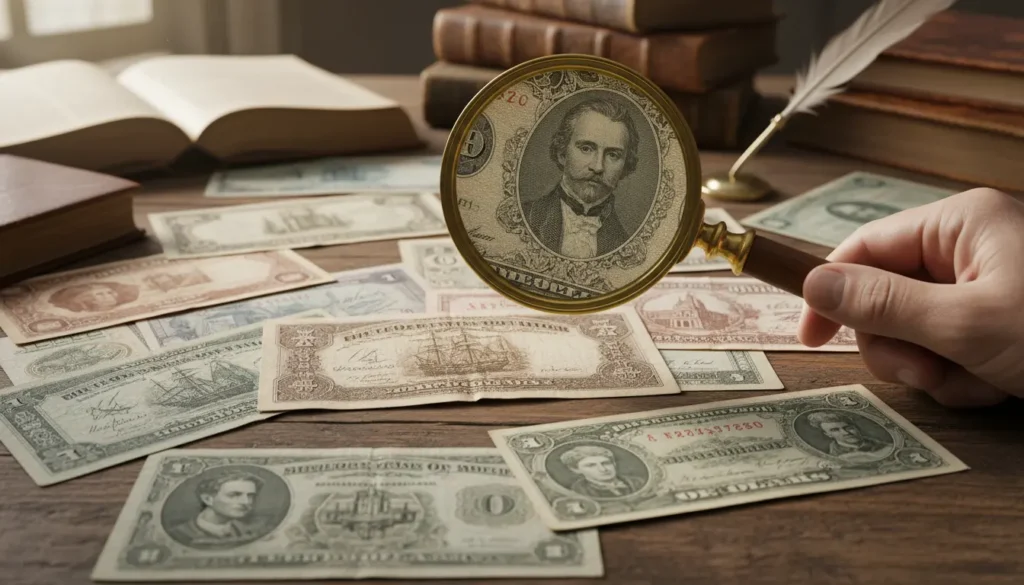
Many collectors and casual holders do not realize that ordinary-looking banknotes can carry real value when they show printing or production errors. This guide explains the most common valuable paper money errors you might have, how to spot them, and practical next steps for appraisal and sale.
What Makes a Paper Money Error Valuable
Error notes gain value when the mistake is rare, noticeable, and unrestored. Collectors prize examples that show a production fault clearly and in original condition.
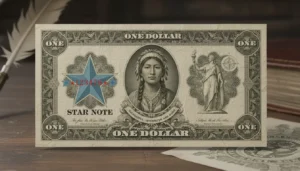
Key factors that affect value include rarity, demand, note condition, and documentation. Even small printing faults can be valuable if the note is from a popular series or has a verified provenance.
Common Valuable Paper Money Errors You Might Have
Below are common error types to look for. Each heading explains how the error happens and why collectors care.
Misprints and Misalignments
Misprints happen when plates, plates guides, or registration are off during printing. Misaligned designs, off-center portraits, and shifted borders fall into this category.
Collectors look for dramatic misalignment because it shows a clear manufacturing fault. Even a slight off-center alignment on older notes can be worth more than face value.
Double Printing and Ghost Images
Double prints occur when a sheet passes through the press twice or if a secondary impression overlaps the first. Ghost images are faint duplicate prints that do not match the main design.
These notes are visually striking and often command higher prices, especially when the double impression is well separated or in a conspicuous area.
Wrong or Missing Overprints
Overprints are applied after the main print — for example, a new denomination, series mark, or star. Wrong overprints or missing overprints are valuable because they show a production step failure.
Examples include incorrect numbering, wrong series dates, or missing control numbers. Overprint errors are particularly prized for limited provisional issues.
Cut, Folded, or Bonded Sheets
Sometimes sheets are cut improperly, or two different types of paper are bonded together. A note cut from the edge of a sheet or with part of an adjacent design attached is an unusual find.
These physical errors are rarer and can be especially valuable when the mismatch or attached piece is obvious and intact.
Serial Number Errors and Repeats
Serial number mistakes include misaligned digits, repeated digits, or incorrect prefixes. Notes with the same serial number printed twice or with intentional numbering anomalies can attract collectors.
Star notes (replacement notes) also have a star at the end of the serial. Rare variants of replacement notes may be more valuable than ordinary examples.
How to Inspect a Note for Valuable Errors
Follow a simple inspection routine to identify potential error notes. Use basic tools and careful observation to avoid damage.
- Clean hands and good light: Work in a well-lit area and avoid oils or moisture on the note.
- Magnifier and ruler: A 10x loupe and a small ruler help reveal registration errors and misalignments.
- Compare to a normal note: Use a verified normal specimen from the same series for direct comparison.
- Document the error: Photograph both sides with scale and note any writing, folds, or repairs.
What to Do If You Find a Valuable Paper Money Error
If you think a note is an error, avoid pressing, flattening, or attempting restoration. Any alteration can reduce collector value.
Next steps:
- Photograph the note from several angles under good light.
- Compare with known examples online or in specialized catalogs.
- Get a professional opinion from a reputable currency dealer or grader before selling.
Some error banknotes have sold for thousands of dollars at auction despite low face value. Errors on older or limited-run notes usually fetch the highest prices.
Real-World Example: A Small Case Study
In 2018, a collector discovered a misaligned 1957 $1 silver certificate in a small estate lot. The portrait was noticeably off-center and the serial numbers printed slightly lower than normal.
After documenting and consulting a local currency dealer, the note was graded and sold at auction. The piece sold for several times its face value because the error was clear, unrestored, and from a popular series.
Pricing and Authentication
Price guides can give a starting point, but auction results and dealer networks better reflect market demand. Error note value varies widely by error type and note condition.
Authentication by a recognized grading service adds buyer confidence. Grading also provides a permanent record of the error type and condition for resale.
Practical Tips for Collectors and Casual Finders
- Keep suspect notes in archival sleeves to prevent damage.
- Do not write on or tape the note—this destroys value.
- Join currency collecting forums and local clubs to learn more and verify finds.
- Work with reputable dealers and auction houses when selling high-value items.
Finding a valuable paper money error can be exciting, but careful documentation and professional advice are essential. With the right steps, an ordinary note could become a sought-after collectible.